











Treatment at Swift Access Health

Cryotherapy for Skin Lesions

Cryotherapy — also known as cryosurgery — is a minimally invasive treatment that uses liquid nitrogen at around –196°C to precisely freeze and destroy unwanted or abnormal skin tissue. It is one of dermatology’s most established and effective treatments, suitable for a wide range of benign lesions including warts, verrucae, skin tags, solar lentigines, seborrhoeic keratoses, and actinic keratoses, as well as certain early-stage skin cancers such as superficial basal cell carcinoma and Bowen’s disease.

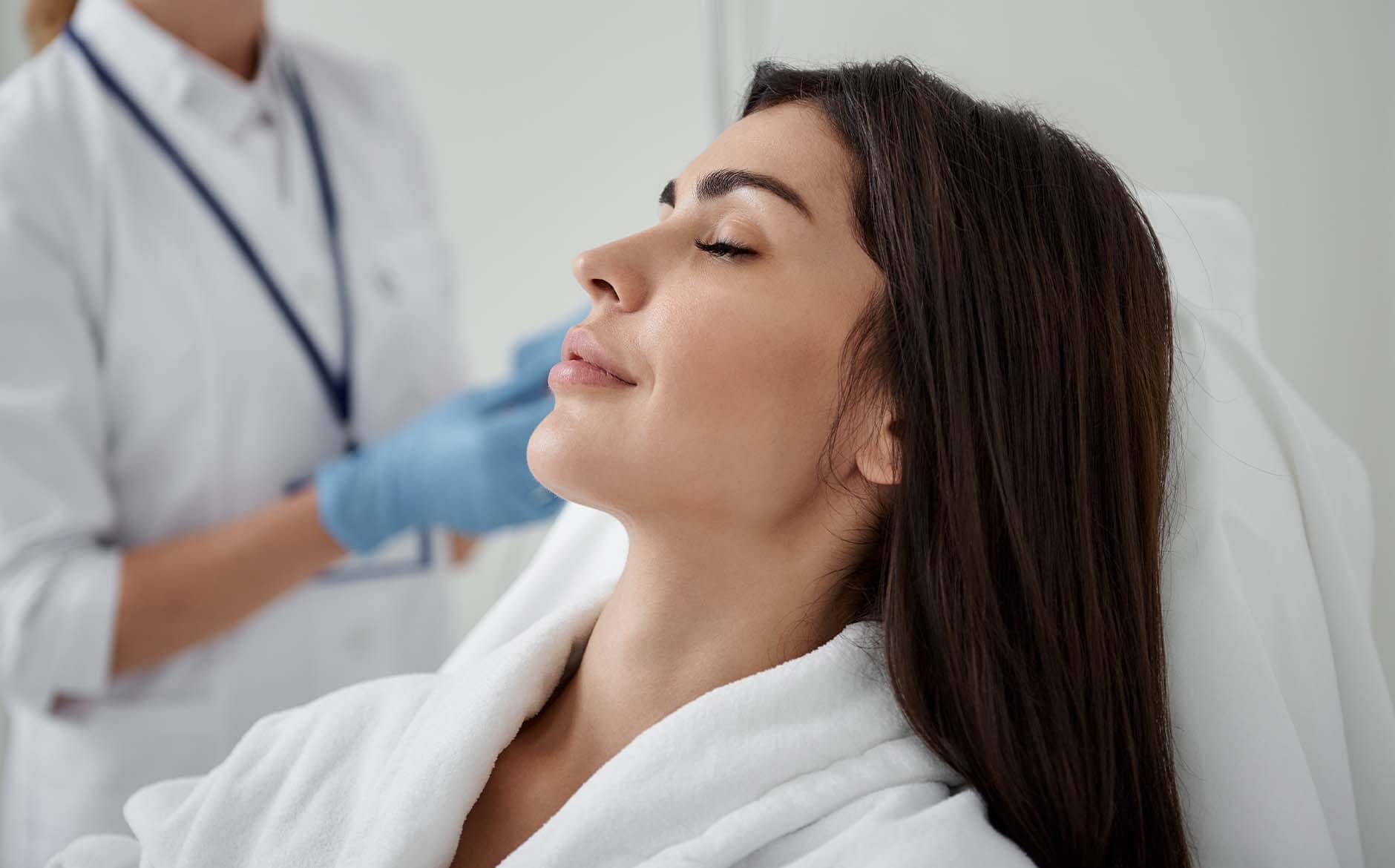
At Swift Access Health, cryotherapy is delivered by experienced practitioners using precise applicators that allow controlled, targeted freezing of the affected area. The surrounding healthy skin is largely unaffected. Results become visible within 1–2 weeks as the treated lesion forms a scab, flakes away, and is replaced by fresh, healthy skin. Most lesions are cleared with one or two sessions.

Book Consultation

Info

Time

Up to 30 minutes per session

Results

Safe, precise removal; clear skin visible within 1–2 weeks of treatment

Risks

Temporary redness, blistering, or scabbing; possible pigmentation changes — discussed at consultation

Recovery

Minimal — area heals within 7–14 days in most cases

Anaesthetic

Not usually required; topical anaesthetic available for sensitive areas

Aftercare

Keep area clean and dry; avoid picking scabs; SPF 30+ until fully healed

Why Choose Swift Access Health

Benefits of Cryotherapy at Swift Access Health

Cryotherapy offers an effective, quick, and minimally invasive solution for a broad range of skin lesions — with no sutures, no downtime, and excellent results in most cases.

  • Effective for a wide range of benign lesions including warts, skin tags, actinic keratoses, and age spots
  • Suitable for certain early-stage skin cancers including superficial BCC and Bowen’s disease
  • Precise, controlled delivery of liquid nitrogen to protect surrounding healthy skin
  • No sutures required; minimal recovery time for most patients
  • Less scarring than surgical excision for suitable superficial lesions
  • All patients assessed clinically before treatment to confirm diagnosis and suitability
Book Consultation
Your Patient Journey

1. Your
Consultation

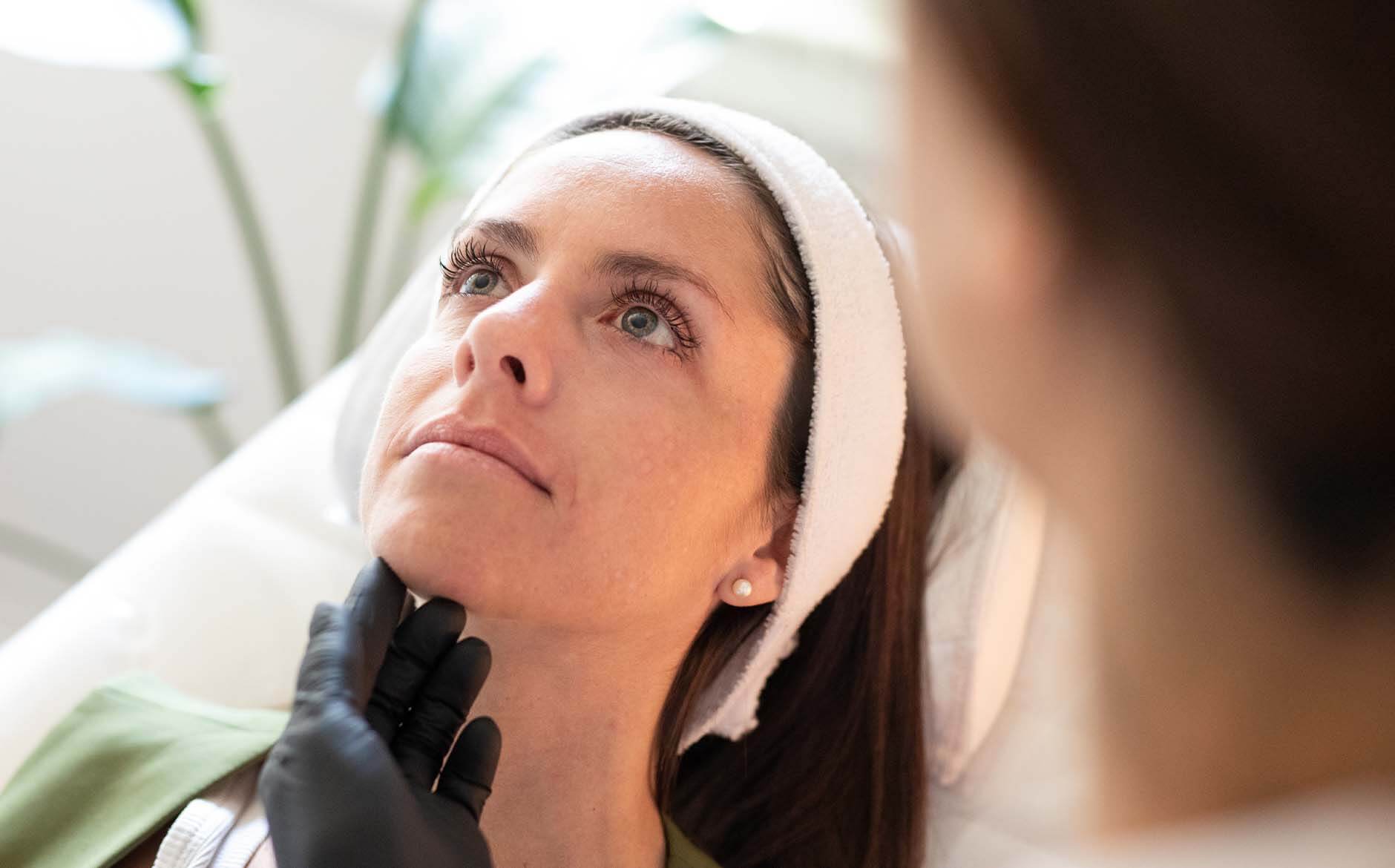
Your clinician will assess the lesion, confirm the diagnosis, and determine whether cryotherapy is the most appropriate treatment. The number of sessions likely needed, and what to expect during and after treatment, will all be explained. For lesions with any diagnostic uncertainty, a biopsy may be arranged first.

Your Patient Journey

2. Your
Treatment

A focused jet or applicator tip delivers a precise burst of liquid nitrogen to the lesion for several seconds. You will feel a brief stinging or cold sensation. In some cases the area may be treated more than once within the same session to ensure complete destruction. The treatment takes up to 30 minutes and you can leave immediately afterwards.

Your Patient Journey

3. Aftercare

The treated area may appear red or swollen and may develop a blister in the days following treatment — this is a normal part of the healing process. Keep the area clean and avoid picking or rubbing. Use SPF 30 or higher daily on the healing skin. A follow-up appointment is arranged to check the outcome and repeat treatment if needed.

Frequently Asked Questions

  • Most patients experience a mild stinging or cooling sensation during treatment, which subsides within seconds. No local anaesthetic is usually required, although a topical numbing cream can be applied for more sensitive areas such as the face or fingertips.

  • Cryotherapy is highly effective for most lesions, but some — particularly viral warts and verrucae — may require more than one session. Recurrence rates are low for benign lesions treated thoroughly. Follow-up appointments allow monitoring and repeat treatment where needed.

  • Yes, cryotherapy is suitable for all skin types, though your practitioner will take particular care in patients with darker skin tones due to a higher risk of temporary pigmentation changes. This is discussed at consultation and technique is adjusted accordingly.

  • Cryotherapy is effective for certain early-stage skin cancers — specifically superficial basal cell carcinoma and Bowen’s disease. It is not suitable for deeper or more advanced skin cancers where surgical excision is required. A clinical assessment by a qualified clinician is always carried out before proceeding.

  • Cryotherapy is quicker, requires no sutures or significant downtime, and typically produces minimal scarring compared to surgical excision. It is ideal for small, superficial lesions in accessible locations. Where a tissue sample is needed for histological analysis, however, surgical excision is preferred.

  • Cryotherapy typically causes minimal scarring, particularly for superficial or benign lesions. Deeper or repeated treatments carry a slightly higher risk of pigmentation changes or textural marks. Your clinician will tailor the treatment to minimise this risk.

Related Treatments

Treatments

Basal Cell Carcinoma

Treatments

Skin Biopsy