








-
Is mole removal painful?
No. Local anaesthetic is used to ensure the procedure is comfortable. Some mild tenderness around the treated area is normal for a few days afterwards and is managed with standard over-the-counter pain relief.
-
Will I have a scar?
Any surgical removal leaves a small scar. Our plastic surgeons take care to place incisions along natural skin creases and use precise suturing to produce the smallest, most discreet scar possible. Scars continue to fade and improve over 12 months.
-
How long does it take to heal?
Most wounds heal within 1–4 weeks depending on the removal method and location. Your surgeon will advise on what to expect and when normal activities, exercise, and swimming can be safely resumed.
-
Can I return to work the same day?
Yes, in most cases. The procedure is performed under local anaesthetic with no general sedation, so most patients can return to normal desk-based activities immediately. More physical work may require a short period of rest.
-
When should I seek medical advice about a mole?
Seek review for any mole that is asymmetrical, has an irregular border, contains multiple colours, is larger than 6mm, or has recently changed in size, shape, or colour (the ABCDE criteria). Any mole that bleeds, itches persistently, or simply concerns you should be assessed by a dermatologist promptly.
-
Can a removed mole become cancerous?
nce removed, the mole itself cannot become cancerous. However, all excised tissue is sent for histological examination to ensure nothing concerning is missed. Patients with a history of atypical moles are advised to continue regular skin checks
Your Patient Journey
1. Your
Consultation
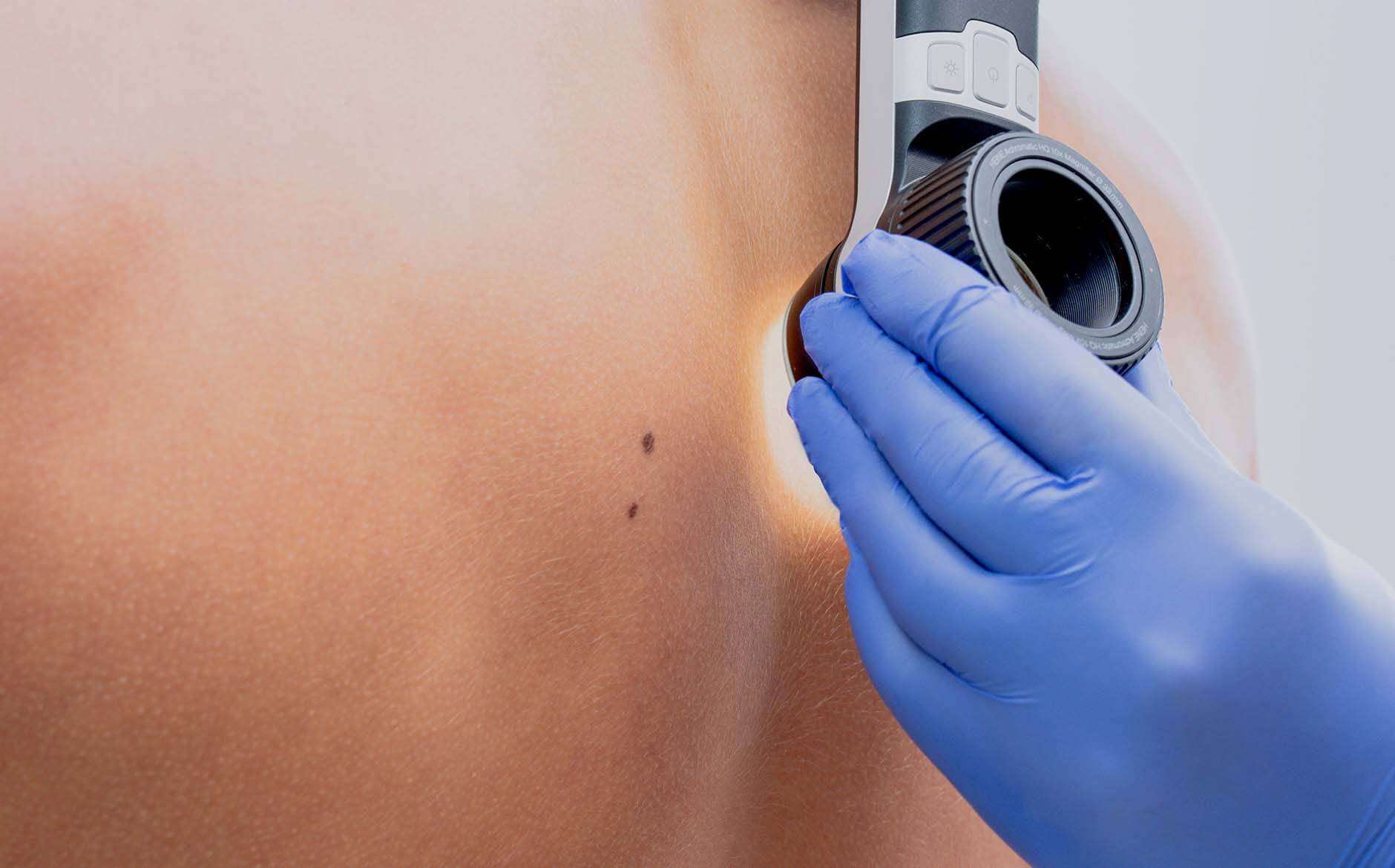
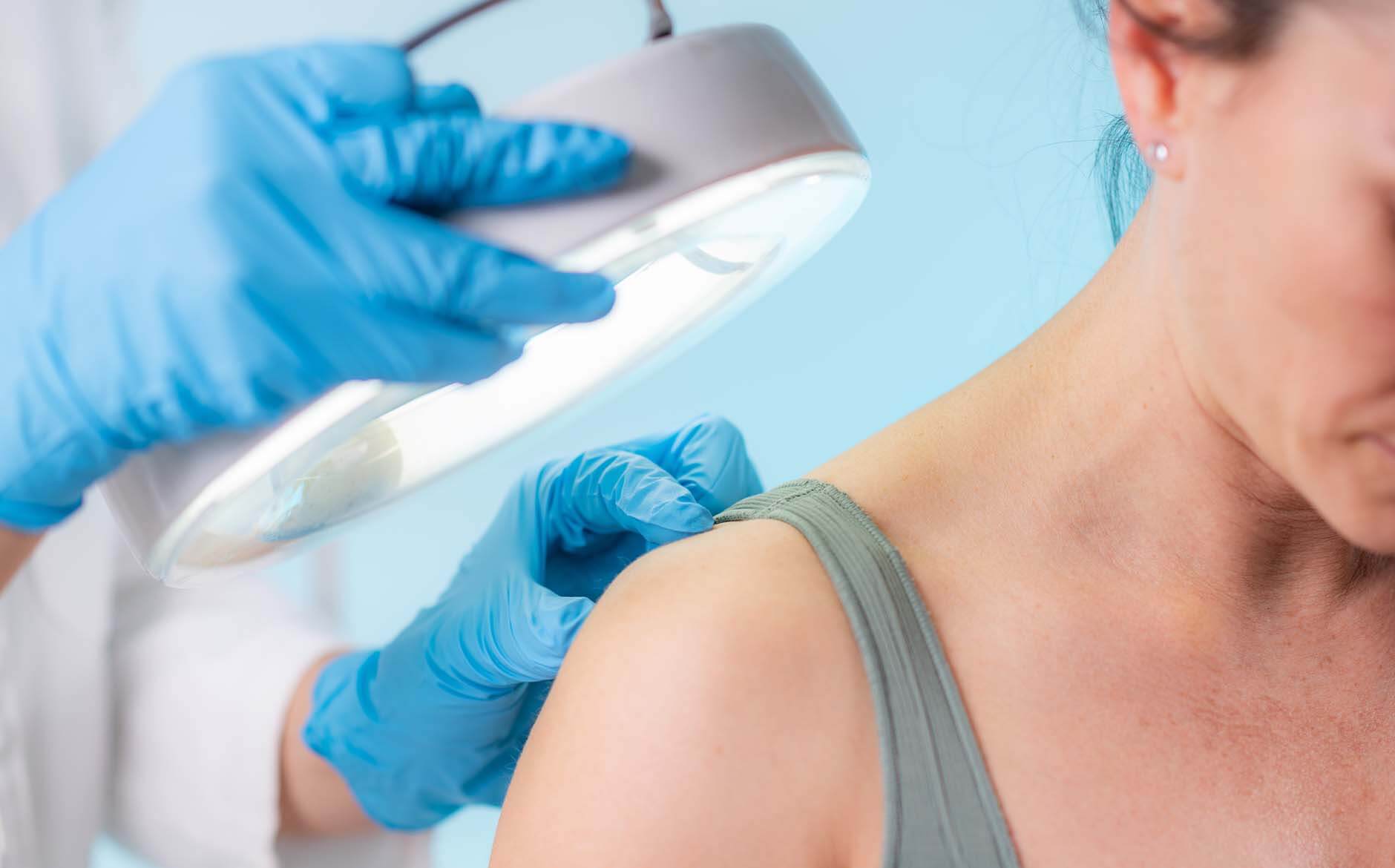
Your consultation begins with a clinical assessment of the mole using dermoscopy. Your surgeon will determine the most appropriate method of removal — excision, shave, or laser — and explain the expected outcome including any scarring. If you have had a prior dermatology assessment, this will be reviewed and incorporated into the plan.