








-
Is eczema the same as dermatitis?
Eczema usually refers to chronic, itchy, inflammatory conditions like atopic eczema, while dermatitis is a broader term that includes all types of skin inflammation. Eczema is a type of dermatitis, but not all dermatitis is eczema.
-
Can eczema be cured?
There is currently no cure for eczema, but it can be very well controlled. Many children improve significantly as they get older. With the right treatment plan, most people can keep their skin comfortable and prevent frequent flare-ups.
-
What triggers eczema flare-ups?
Common triggers include soaps, detergents, fragranced products, wool or synthetic fabrics, overheating, stress, allergens such as dust mites or pet dander, and infections. Identifying and avoiding your personal triggers is key to long-term management.
-
How often should I moisturise?
At least twice daily, even when your skin appears clear. Apply emollient immediately after bathing to lock in moisture. Greasier formulations are often more effective for very dry skin.
-
When should I use steroid cream?
Topical corticosteroids should be used during flare-ups, as directed by your dermatologist. They come in different strengths — milder steroids are used on the face and sensitive areas, while stronger formulations are appropriate for the hands or body.
-
What if my eczema is not responding to creams?
If topical treatments are insufficient, your dermatologist may consider systemic therapies such as dupilumab, ciclosporin, or methotrexate, or refer you for phototherapy. Swift Access Health offers access to this full range of specialist treatments.
Your Patient Journey
1. Your
Consultation
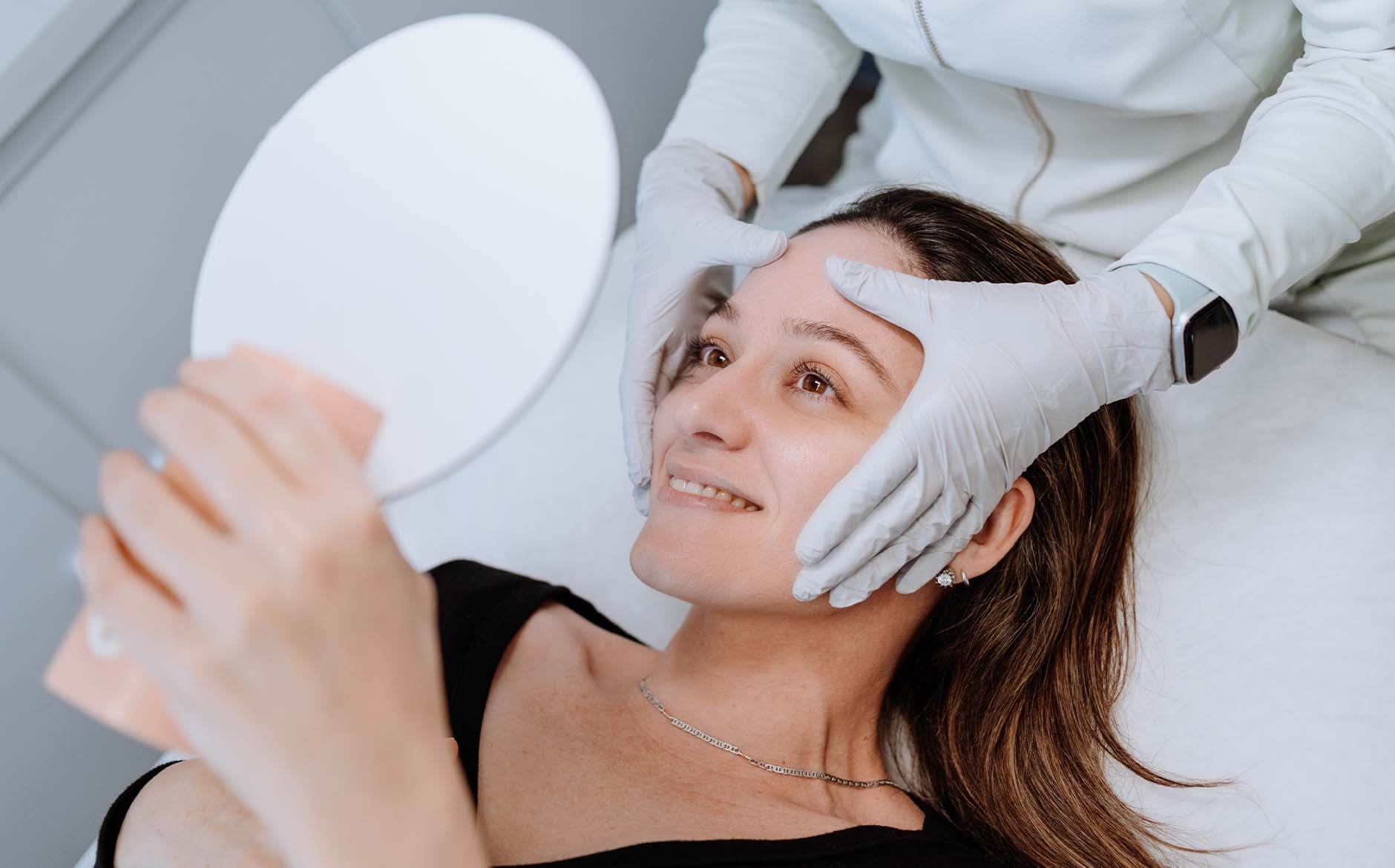
Your dermatologist will assess your skin, take a full history, and identify any relevant triggers or associated allergic conditions. The type and severity of your eczema will be confirmed and a personalised treatment plan agreed, including which emollients and topical therapies are most suitable for you.