






-
Is rosacea the same as acne?
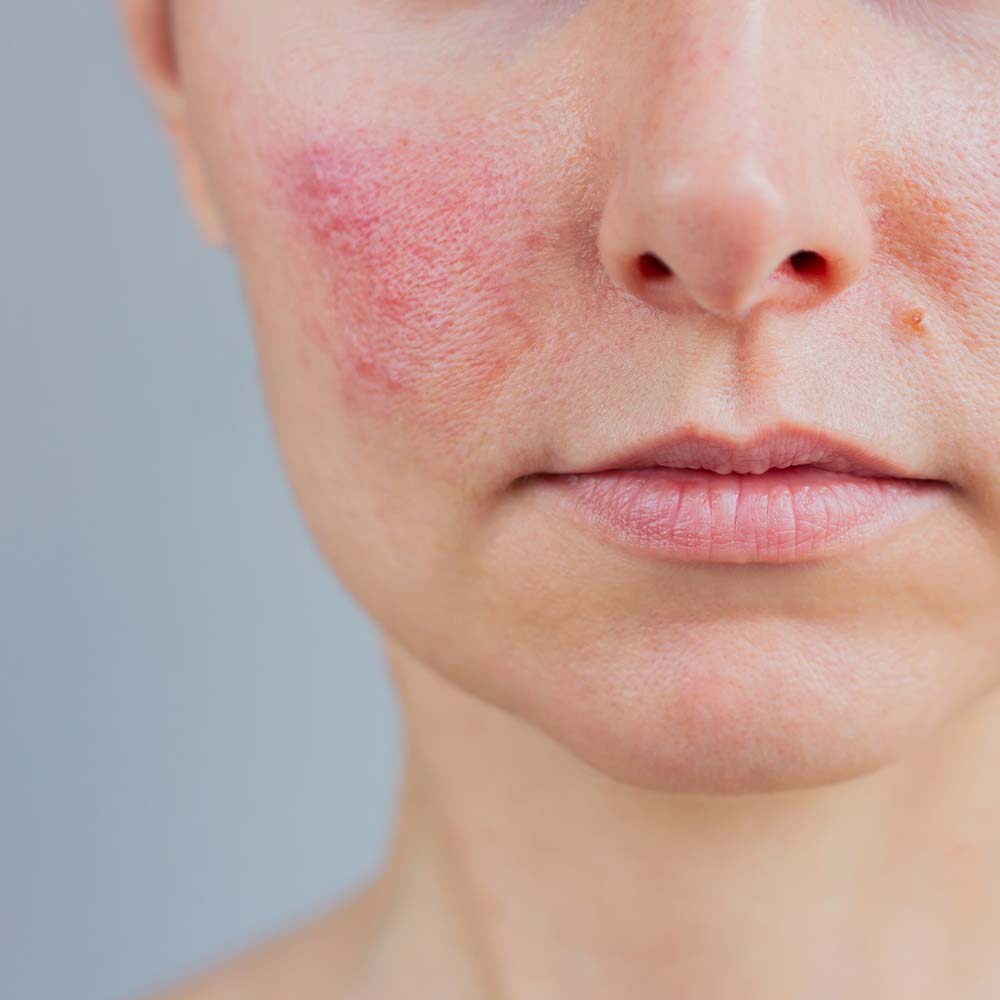
No. Although rosacea can produce acne-like bumps, the two conditions are distinct. Acne involves comedones (blackheads and whiteheads) which are absent in rosacea. The causes and treatments differ significantly, which is why a correct diagnosis is important before starting any treatment.
-
What triggers rosacea?
Common triggers include sun exposure, hot drinks, spicy food, alcohol (particularly red wine), temperature extremes, stress, and certain skincare products. Keeping a diary can help identify your personal triggers, though some patients find no obvious pattern.
-
Can rosacea be cured?
There is currently no cure for rosacea, but it can be effectively controlled. With the right treatment and trigger management, most patients achieve a significant reduction in redness, breakouts, and discomfort.
-
How does BBL or laser help rosacea?
Broadband light (BBL) and laser treatments target visible blood vessels beneath the skin, reducing persistent redness. Results are usually visible within a few weeks and can last for many months. A series of sessions may be recommended for optimal outcome.
-
What SPF should I use if I have rosacea?
A broad-spectrum sunscreen of at least SPF 50 is recommended daily, even on cloudy days. Choose a mineral-based formula (containing zinc oxide or titanium dioxide) which tends to be better tolerated by sensitive rosacea-prone skin.
-
Is rosacea linked to any other health conditions?
Some research suggests associations between rosacea and conditions such as cardiovascular disease, gastrointestinal disorders, and migraine. Patients with significant or longstanding rosacea benefit from regular medical review.
Your Patient Journey
1. Your
Consultation
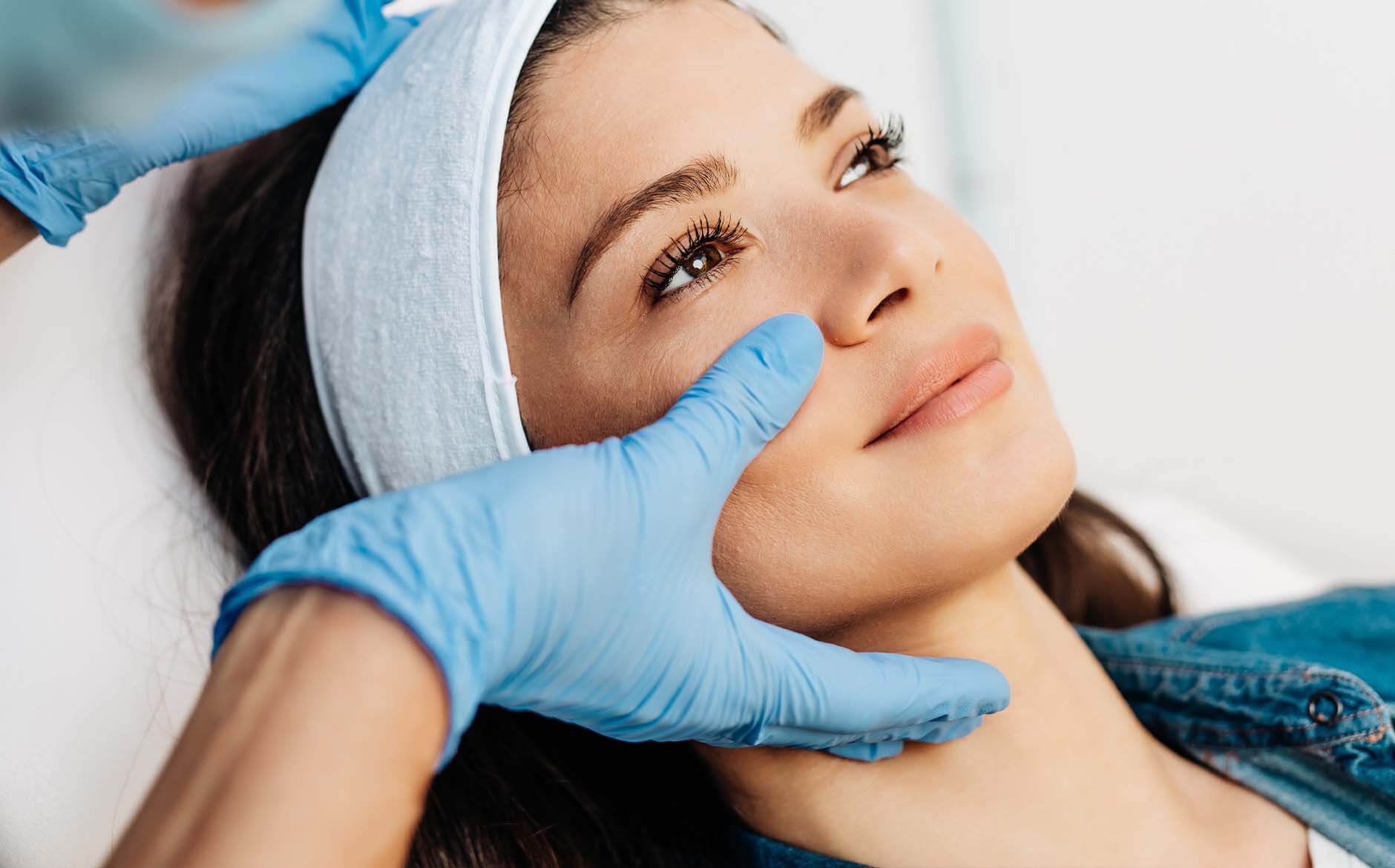
Your dermatologist will examine your skin and determine which subtype of rosacea you have — papulopustular, erythrotelangiectatic, ocular, or rhinophyma. A personalised treatment plan will be agreed, covering both medical treatments and practical trigger avoidance strategies tailored to your lifestyle.