









-
How do I know if I have a fungal infection?
Common signs include itchy, scaly, or cracked skin between the toes or on the body; thickened, discoloured, or crumbling nails; circular or ring-shaped rashes; or persistent dandruff-like scaling on the scalp. If over-the-counter treatments have not worked within 2–4 weeks, professional assessment is advisable.
-
Are fungal infections contagious?
Yes. Fungal infections spread through direct skin contact and from contaminated surfaces — particularly in warm, moist environments such as changing rooms and swimming pools. Sharing towels, nail clippers, or footwear also increases risk. Treating household contacts and environment helps prevent reinfection.
-
Can a fungal nail infection resolve on its own?
Fungal nail infections very rarely resolve without treatment and typically worsen over time if left untreated. Oral antifungal treatment over several months is the most effective approach, giving the nail time to grow out clear. Topical nail lacquers are less effective but may be appropriate for mild cases.
-
How long does treatment take?
Skin infections usually respond within 2–6 weeks of consistent antifungal treatment. Nail infections require longer courses — typically 3 months for fingernails and 6 months for toenails — as treatment must be continued until the nail grows out fully clear.
-
What can I do to prevent recurrence?
Keep feet clean and dry, change socks and footwear regularly, wear flip-flops in communal areas, and use antifungal powder or spray in shoes. For recurrent cases, your dermatologist may recommend maintenance treatment or further investigation for underlying risk factors.
-
Are oral antifungals safe?
Oral antifungals such as terbinafine are generally safe and well tolerated. They do require a baseline liver function test before starting, and monitoring if used for extended courses. Potential interactions with other medications will be checked at your consultation.
Your Patient Journey
1. Your
Consultation
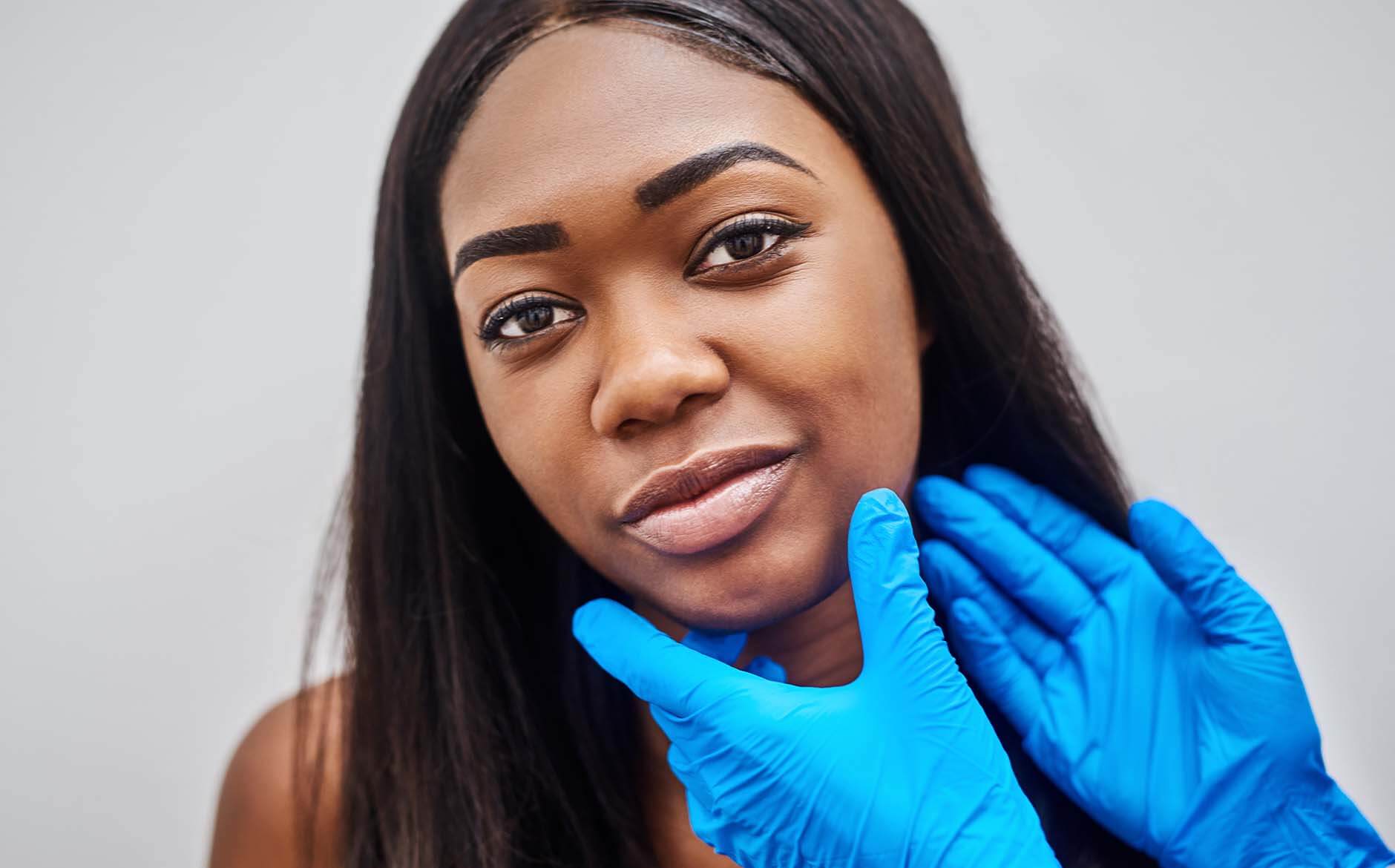
Your dermatologist will examine the affected skin or nails and take a detailed history. Where the diagnosis is uncertain, skin scrapings or nail clippings are taken and sent for mycological analysis. Predisposing factors — such as footwear habits, sporting activity, or underlying health conditions — will be identified, and a treatment plan agreed.