










Dermatology at Swift Access Health

Rosacea

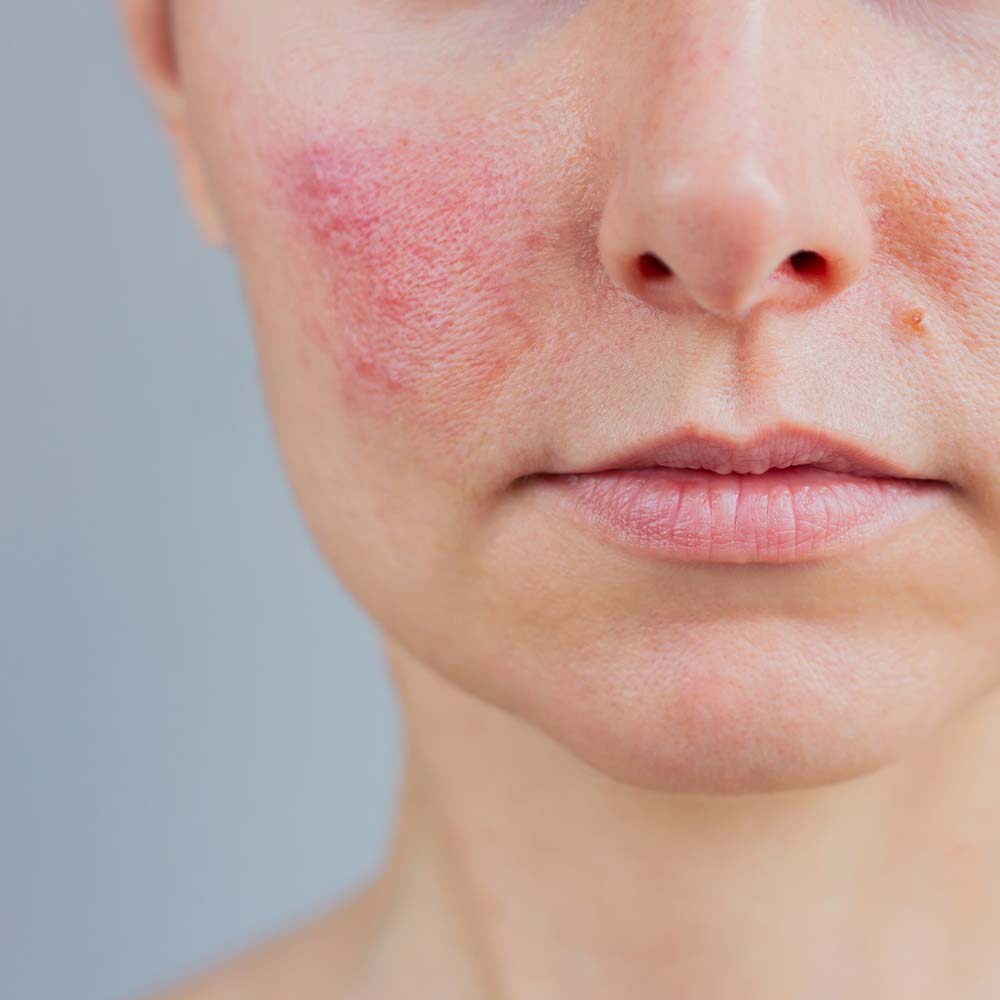
Rosacea is a chronic skin condition primarily affecting the face, causing persistent redness, visible blood vessels, and in some cases small pus-filled bumps or skin thickening. It is most common in those with fair skin, typically appearing between the ages of 30 and 50. Although there is no cure, rosacea can be effectively managed with the right combination of medical treatments, lifestyle adjustments, and trigger avoidance — and early intervention helps prevent the condition from progressing.

At Swift Access Health, our consultant dermatologists take a personalised approach to rosacea, recognising that it presents differently in each patient. Whether your main concern is persistent redness, visible blood vessels, acne-like breakouts, or skin thickening, we will recommend the most appropriate treatments from our full range of topical, oral, and light-based therapies.

Book Consultation

Info

Time

30-minute initial appointment with a consultant dermatologist

Results

Good control of redness and breakouts; laser and light therapies reduce visible blood vessels

Risks

Condition may worsen if untreated; some treatments carry minor side effects discussed at consultation

Recovery

Topical/oral treatments show improvement over 6–12 weeks; laser results visible within weeks

Treatment

Topical creams, oral antibiotics, isotretinoin, BBL, or laser therapy depending on subtype

Aftercare

Trigger avoidance, SPF 50+ daily, gentle skincare, and follow-up as required

Why Choose Swift Access Health

Benefits of Expert Rosacea Management

Specialist diagnosis and personalised treatment of rosacea reduces redness, controls breakouts, and significantly improves confidence and quality of life.

  • Accurate subtype diagnosis by a consultant dermatologist to guide the most appropriate treatment
  • Full range of medical therapies including ivermectin, metronidazole, azelaic acid, and brimonidine
  • Oral antibiotic or low-dose isotretinoin prescribing for more persistent inflammatory rosacea
  • Broadband light therapy (BBL) and laser treatment to reduce redness and visible blood vessels
  • Personalised trigger identification and lifestyle guidance to prevent flare-ups
  • Ongoing support and follow-up to maintain long-term skin clearance and comfort
Book Consultation
Your Patient Journey

1. Your
Consultation

Your dermatologist will examine your skin and determine which subtype of rosacea you have — papulopustular, erythrotelangiectatic, ocular, or rhinophyma. A personalised treatment plan will be agreed, covering both medical treatments and practical trigger avoidance strategies tailored to your lifestyle.


Your Patient Journey

2. Your
Treatment

Treatment is matched to your rosacea subtype and severity. This may include topical agents applied at home, oral antibiotics for a defined course, or in-clinic light-based therapies to target visible blood vessels. Your dermatologist will guide you through exactly how to use each treatment and what to expect.

Your Patient Journey

3. Aftercare

Rosacea management is ongoing. You will receive advice on trigger avoidance, appropriate skincare products, and daily sun protection. Follow-up appointments allow your treatment to be reviewed and adjusted as your skin responds, with access to additional therapies if needed.

Frequently Asked Questions

  • No. Although rosacea can produce acne-like bumps, the two conditions are distinct. Acne involves comedones (blackheads and whiteheads) which are absent in rosacea. The causes and treatments differ significantly, which is why a correct diagnosis is important before starting any treatment.

  • Common triggers include sun exposure, hot drinks, spicy food, alcohol (particularly red wine), temperature extremes, stress, and certain skincare products. Keeping a diary can help identify your personal triggers, though some patients find no obvious pattern.

  • There is currently no cure for rosacea, but it can be effectively controlled. With the right treatment and trigger management, most patients achieve a significant reduction in redness, breakouts, and discomfort.

  • Broadband light (BBL) and laser treatments target visible blood vessels beneath the skin, reducing persistent redness. Results are usually visible within a few weeks and can last for many months. A series of sessions may be recommended for optimal outcome.

  • A broad-spectrum sunscreen of at least SPF 50 is recommended daily, even on cloudy days. Choose a mineral-based formula (containing zinc oxide or titanium dioxide) which tends to be better tolerated by sensitive rosacea-prone skin.

  • Some research suggests associations between rosacea and conditions such as cardiovascular disease, gastrointestinal disorders, and migraine. Patients with significant or longstanding rosacea benefit from regular medical review.

Related Concerns

Concerns

Rashes

Concerns

Eczema