










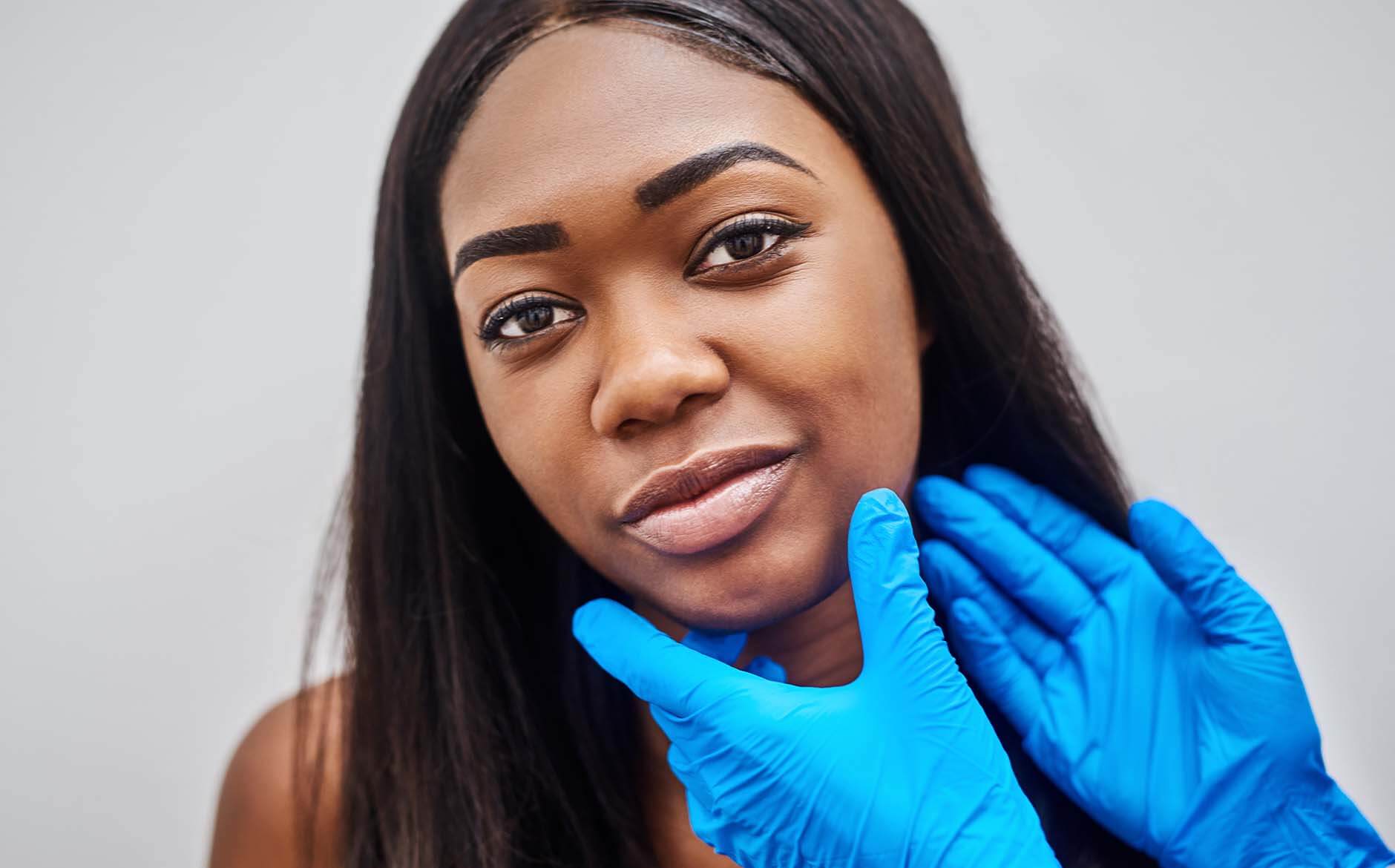


Treatment at Swift Access Health

Intralesional Steroid Injections

Intralesional corticosteroid injections involve the precise delivery of a steroid — most commonly triamcinolone acetonide — directly into a skin lesion or scar. This targeted approach delivers a high concentration of anti-inflammatory medication exactly where it is needed, while minimising systemic side effects. At Swift Access Health, steroid injections are used across a range of dermatological indications including keloid and hypertrophic scars, inflamed or recurrent sebaceous cysts, alopecia areata, and certain inflammatory plaques.

The procedure is quick, performed in clinic without the need for general anaesthetic, and well tolerated. Multiple lesions can be treated in a single session. For keloid scars, a course of monthly injections is typically required to achieve progressive softening and flattening of the scar. For cysts presenting with acute inflammation, a single injection often reduces swelling rapidly and avoids the need for immediate surgical intervention.

Book Consultation

Info

Time

15–30 minutes per session, depending on number of lesions treated

Results

Progressive softening and flattening of keloid scars; rapid reduction of cyst inflammation, stimulates hair growth in selected cases

Risks

Skin atrophy (thinning), hypopigmentation (lightening), rarely hyperpigmentation (darkening) or bruising at injection site — dosage managed carefully

Recovery

Minimal; most patients resume normal activities immediately

Anaesthetic

Local anaesthetic not required

Aftercare

Protect injection site for 24 hours; review at 4–6 weeks; repeat course agreed based on clinical need

Why Choose Swift Access Health

Benefits of Intralesional Steroid Injections

Precisely administered intralesional steroid injections provide effective, targeted treatment for keloid scars, cyst inflammation, and other dermatological conditions — without surgery or significant downtime.

  • Targeted, high-concentration anti-inflammatory treatment delivered exactly where needed
  • Effective for keloid and hypertrophic scars — progressive flattening and softening over a course of injections
  • Rapid reduction in pain, redness, and swelling of inflamed sebaceous cysts — often preventing emergency surgery
  • Available for alopecia areata to stimulate follicle recovery in areas of hair loss
  • No hospital admission or general anaesthetic required — quick, in-clinic procedure
  • Dosage and technique carefully calibrated to minimise the risk of skin atrophy or pigmentation change
Book Consultation
Your Patient Journey

1. Your
Consultation

Your clinician will assess the lesion or scar and confirm that steroid injection is the most appropriate treatment. The planned dosage, number of sessions, expected results, and potential side effects are discussed. For keloid scars, the injection plan is often agreed as part of a broader scar management strategy that may also include surgical excision or radiotherapy.


Your Patient Journey

2. Your
Treatment

Using a fine needle, a precisely measured amount of triamcinolone acetonide is injected directly into the lesion. For keloid scars, multiple injection points across the scar are used to ensure even distribution. You may feel a brief pressure or mild stinging sensation during the injection. The procedure takes 15–30 minutes in total and you can leave immediately afterwards.

Your Patient Journey

3. Aftercare

The injection site may appear slightly raised or red immediately after treatment — this settles within a day or two. For keloid scars, follow-up injections at 4–6 week intervals are typically required for a course of three to six sessions to achieve optimal results. Progress is assessed at each appointment and dosage adjusted accordingly.

Frequently Asked Questions

  • At Swift Access Health, intralesional steroid injections are used for keloid and hypertrophic scars (the most common indication), inflamed or recurrently problematic sebaceous cysts, alopecia areata (patchy hair loss), and inflammatory dermatological plaques such as those seen in nodular prurigo or certain forms of psoriasis.

  • A typical course for keloid scar treatment involves monthly injections over 3–6 sessions, followed by assessment of the response. Larger or more established keloids may require more sessions. The scar should progressively soften, flatten, and become less symptomatic with each treatment. The course may be repeated if the scar begins to recur.

  • Steroid injections are highly effective at flattening and softening keloid scars and reducing associated itch and pain. However, they do not permanently resolve the underlying tendency to form keloids, and some scars may gradually re-enlarge over time. For larger keloids, combining steroid injections with surgical excision and adjuvant radiotherapy offers the most durable outcome.

  • The main risks are local skin atrophy (thinning of the skin at the injection site), hypopigmentation (lightening of the skin — more visible in darker skin tones), and the development of small surface blood vessels (telangiectasia). These effects are more likely with higher doses and are minimised by careful calibration of dose and injection depth. They are generally reversible or improve with time.

  • Yes. An intralesional steroid injection into an acutely inflamed sebaceous cyst rapidly reduces swelling, redness, and pain — typically within 48–72 hours. This often allows the acute episode to settle without the need for emergency surgery. Once the inflammation has fully resolved, elective surgical excision can be planned under optimal conditions.

  • For inflamed cysts, improvement in pain and swelling is often noticeable within 48–72 hours. For keloid scars, results accumulate over a course of injections — early improvements in symptoms (itch, tenderness) may be apparent after the first or second session, with progressive flattening and softening developing over subsequent months.

Related Treatments

Treatments

Sebaceous Cyst Removal

Treatments

Cryotherapy