











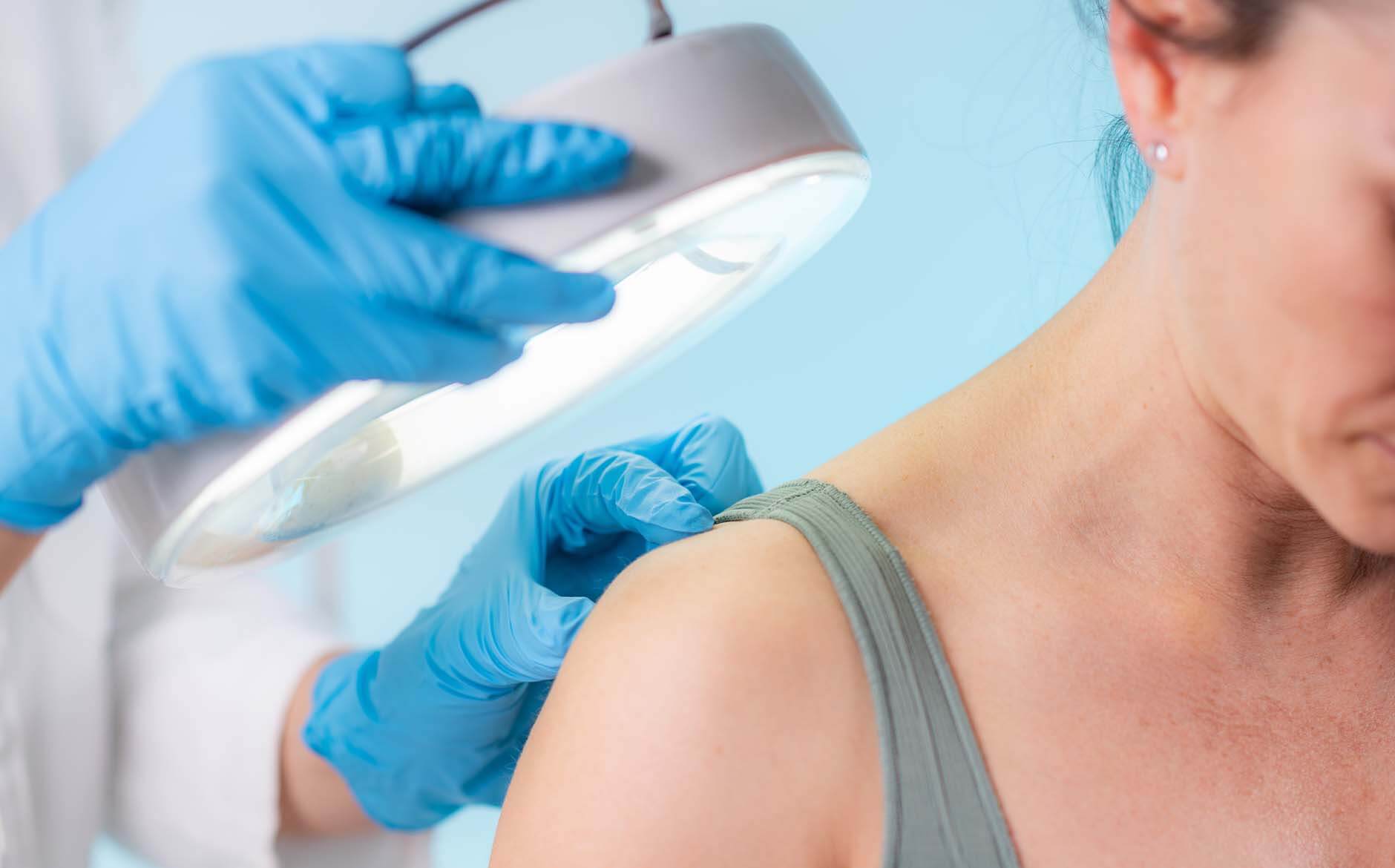

Dermatology at Swift Access Health

Psoriasis

Psoriasis is a chronic, immune-mediated skin condition characterised by the rapid turnover of skin cells, leading to raised, scaly, inflamed patches — most commonly on the scalp, elbows, knees, and lower back. It is not contagious, and while it cannot be cured, it can be very well managed. Affecting around 1 in 50 people, psoriasis can also be associated with joint disease (psoriatic arthritis) and other systemic health conditions, making specialist oversight important.

At Swift Access Health, our consultant dermatologists provide comprehensive assessment and a full range of treatments for all severities of psoriasis — from topical therapies for mild disease, through to phototherapy, systemic oral medications, and advanced biologic treatments for moderate-to-severe cases. Our goal is to reduce your symptoms, prevent flare-ups, and support your overall wellbeing.

Book Consultation

Info

Time

30-minute initial appointment with a consultant dermatologist

Results

Significant symptom reduction achievable; biologics can produce near-complete clearance

Risks

Associated systemic conditions (joint disease, cardiovascular risk); treatment side effects discussed individually

Recovery

Topical treatments improve skin over weeks; systemic and biologic therapies over 3–6 months

Treatment

Topical creams, oral medications (methotrexate, ciclosporin), biologics, or phototherapy

Aftercare

Ongoing moisturising, trigger avoidance, monitoring, and regular specialist review

Why Choose Swift Access Health

Benefits of Specialist Psoriasis Care

Expert dermatological management of psoriasis delivers meaningful skin clearance, reduces the risk of associated health complications, and improves quality of life.

  • Accurate diagnosis and classification of psoriasis type and severity
  • Full range of topical, oral, biologic, and phototherapy treatments available
  • Monitoring for associated conditions including psoriatic arthritis and cardiovascular risk
  • Personalised plans that evolve as your condition and response to treatment changes
  • Guidance on lifestyle modifications — including diet, alcohol, and stress — that influence severity
  • Access to the latest biologic therapies including IL-17 and IL-23 inhibitors
Book Consultation
Your Patient Journey

1. Your
Consultation

Your dermatologist will assess the extent and type of your psoriasis, review your medical history, and discuss any associated symptoms such as joint pain. A treatment plan is agreed based on disease severity, previous treatments, and your personal preferences and circumstances.


Your Patient Journey

2. Your
Treatment

For mild psoriasis, treatment begins with topical agents such as corticosteroids, vitamin D analogues, or coal tar preparations. Moderate-to-severe disease may require phototherapy or systemic medications. Biologic therapies, which target specific immune pathways, are available for patients with significant disease not controlled by other means.

Your Patient Journey

3. Aftercare

Regular moisturising is important in all patients, particularly during colder months. Follow-up appointments allow your treatment to be reviewed, adjusted, and monitored for safety. You will receive clear guidance on recognising and responding to flare-ups, as well as lifestyle advice to support long-term skin health.

Frequently Asked Questions

  • Psoriasis can be triggered by a range of factors including stress, infections (particularly strep throat), skin injury, certain medications, and changes in weather. A genetic predisposition often underlies the condition. Your dermatologist can help identify likely triggers.

  • Psoriasis is a long-term condition, but many patients experience periods of remission where symptoms are minimal or absent. Modern treatments — particularly biologics — can produce near-complete clearance in many cases, allowing patients to lead comfortable, active lives.

  • No. Psoriasis is an immune-mediated condition and cannot be passed from person to person through skin contact or any other means.

  • Yes. Up to 30% of people with psoriasis develop psoriatic arthritis, which causes joint pain, stiffness, and swelling. If you experience joint symptoms alongside your skin disease, it is important to mention this so your dermatologist can arrange appropriate assessment.

  • Maintaining a healthy weight, reducing alcohol consumption, stopping smoking, managing stress, and avoiding known triggers can all help reduce flare frequency and severity. Your dermatologist will discuss which of these is most relevant to your situation.

  • Biologic therapies are highly effective for moderate-to-severe psoriasis and are generally well tolerated. They do require monitoring for potential side effects, which your dermatologist will discuss in detail. They are prescribed and supervised by specialist clinicians throughout the course of treatment.

Related Concerns

Concerns

Rashes

Concerns

Dry Skin