







-
When should I be concerned about a mole?
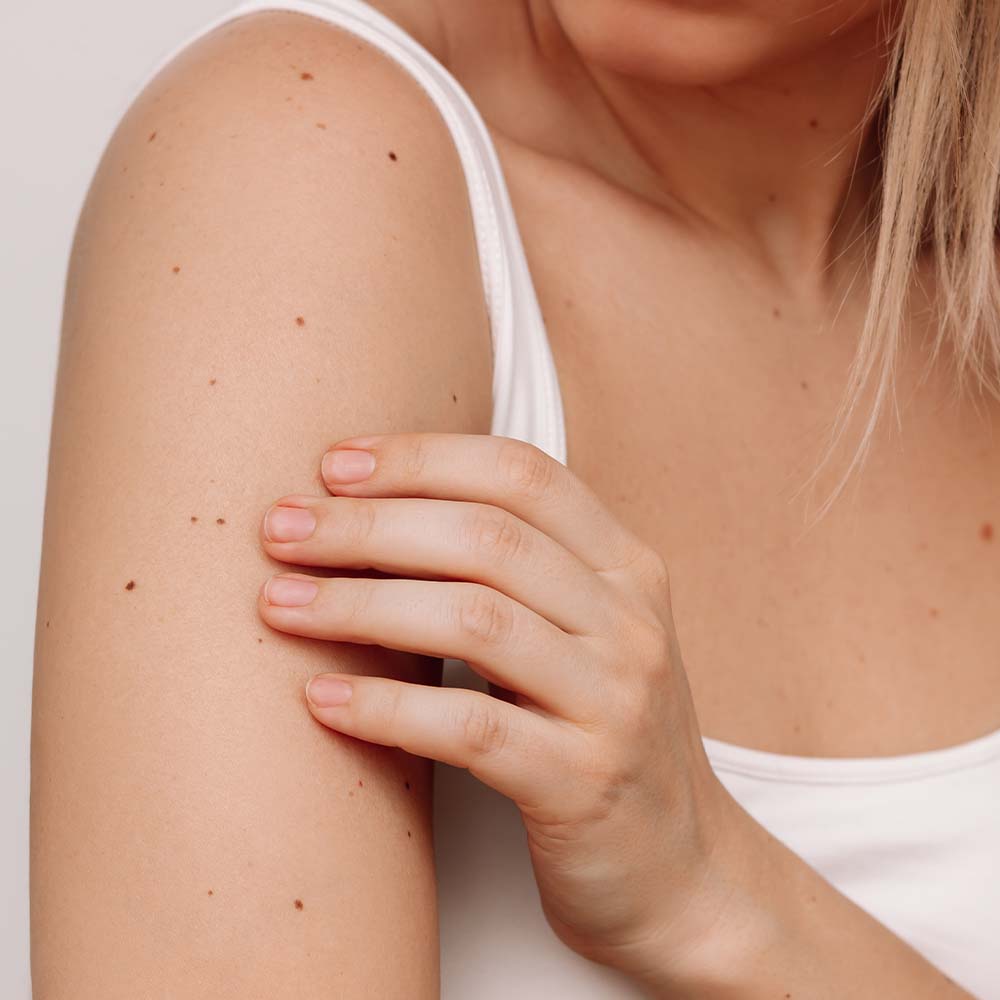
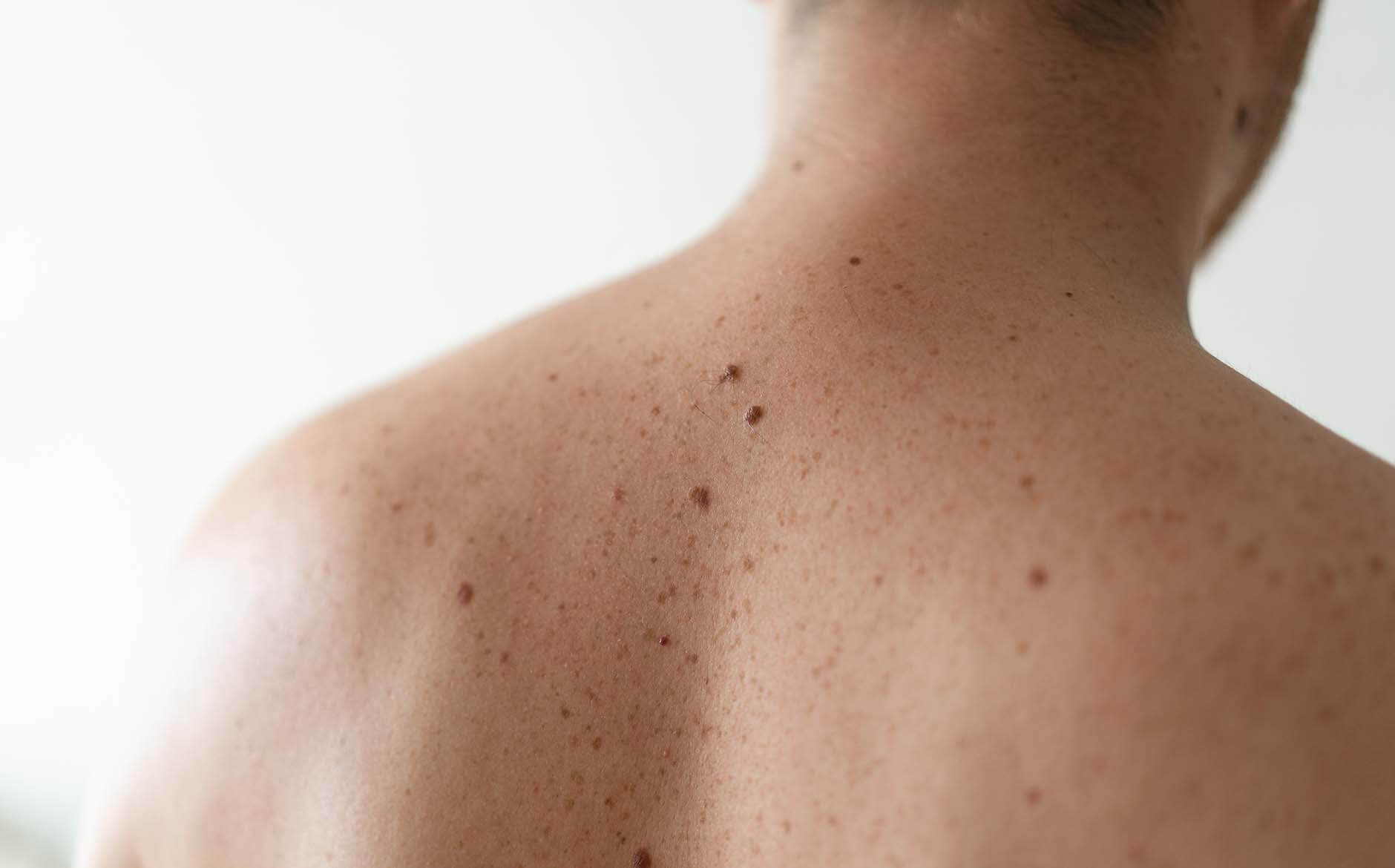
Use the ABCDE method: Asymmetry, irregular Border, multiple Colours, Diameter greater than 6mm, and any Evolving or changing features. Any mole that itches, bleeds, or suddenly changes should be reviewed by a dermatologist promptly. If in doubt, always get it checked.
-
Do all atypical moles need to be removed?
Not necessarily. Atypical moles (dysplastic naevi) require careful assessment but do not always need immediate removal. Your dermatologist will advise on the most appropriate approach — which may be removal, regular monitoring, or simply reassurance.
-
Is mole removal painful?
No. Local anaesthetic is used for surgical excision, so you will not feel pain during the procedure. Some mild soreness or tenderness around the site is normal in the days following.
-
Will I have a scar?
A small scar is inevitable after surgical removal, but our plastic surgeons place incisions carefully to minimise visibility. Scars typically fade significantly over the months following surgery.
-
Can a removed mole grow back?
If the entire mole is removed surgically, recurrence is very unlikely. Laser removal carries a slightly higher risk of regrowth as it does not remove the deeper layers, which is one reason it is not suitable for suspicious moles.
-
Should I have all my moles mapped?
Mole mapping is particularly valuable for patients with many moles, a history of atypical naevi, a personal or family history of melanoma, or fair skin with high sun exposure. Your dermatologist can advise whether this is appropriate for you.
Your Patient Journey
1. Your
Consultation
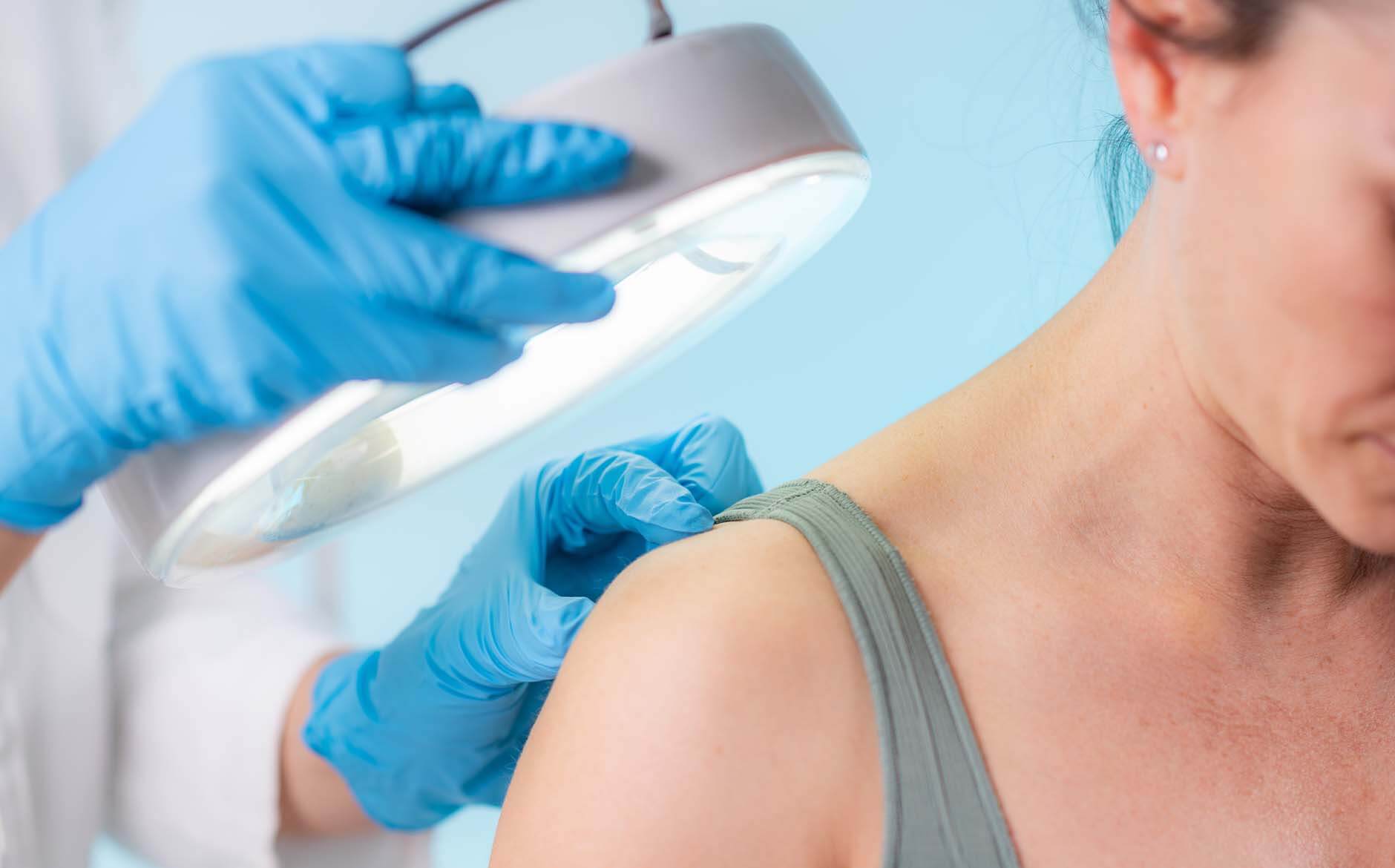
Your dermatologist will take a clinical history and examine your mole or moles using a dermatoscope. Using the ABCDE criteria, they will assess each lesion for features of concern and provide clear recommendations — whether that is reassurance, surveillance, or removal for diagnostic or cosmetic reasons.