








-
What is the difference between dermatitis and eczema?
Eczema (atopic dermatitis) is one type of dermatitis. Dermatitis is a broader term covering all forms of skin inflammation — including contact dermatitis and seborrhoeic dermatitis. Your dermatologist will identify the specific type affecting you.
-
Can dermatitis be cured?
Most forms of dermatitis cannot be permanently cured, but they can be well controlled. With the right treatment and trigger management, many patients experience long periods with minimal or no symptoms.
-
What triggers a dermatitis flare-up?
Common triggers include soaps and detergents, allergens (such as pollen, pet dander, or certain foods), stress, cold or dry weather, and certain skincare products. Identifying your specific triggers is an important part of managing the condition.
-
Do I need to see a specialist, or can my GP manage this?
A GP can manage mild dermatitis effectively. If your symptoms are persistent, severe, or not responding to initial treatment, a consultant dermatologist can offer more targeted therapies, patch testing, and specialist guidance.
-
Is allergy patch testing available?
Yes. Swift Access Health offers in-house allergy patch testing to help identify contact allergens that may be contributing to your dermatitis, allowing for a more targeted treatment and avoidance strategy.
-
What skincare products should I use?
Your dermatologist will advise on suitable products for your skin type and condition. In general, fragrance-free, soap-free cleansers and moisturisers are recommended to avoid further irritation.
Your Patient Journey
1. Your
Consultation
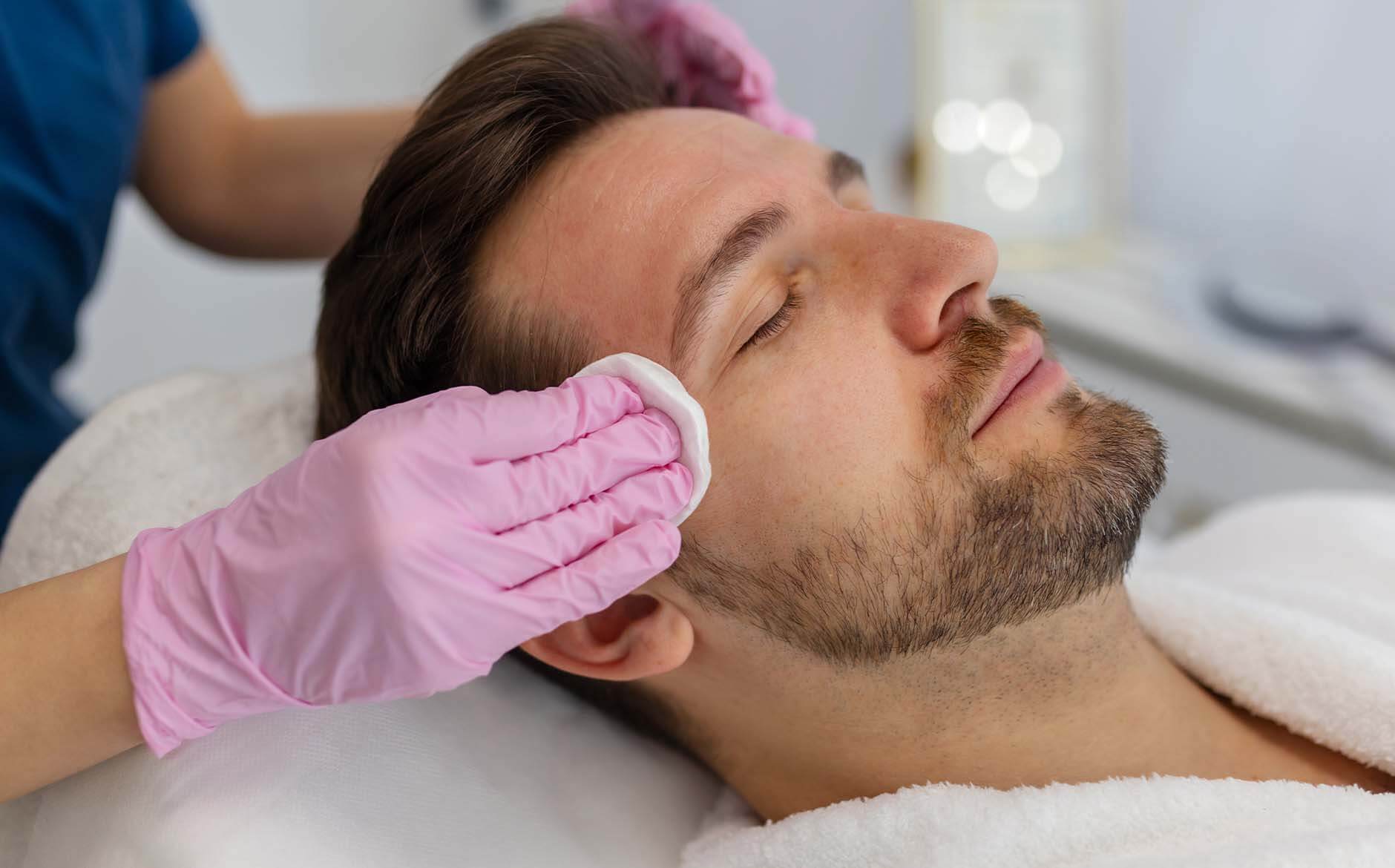
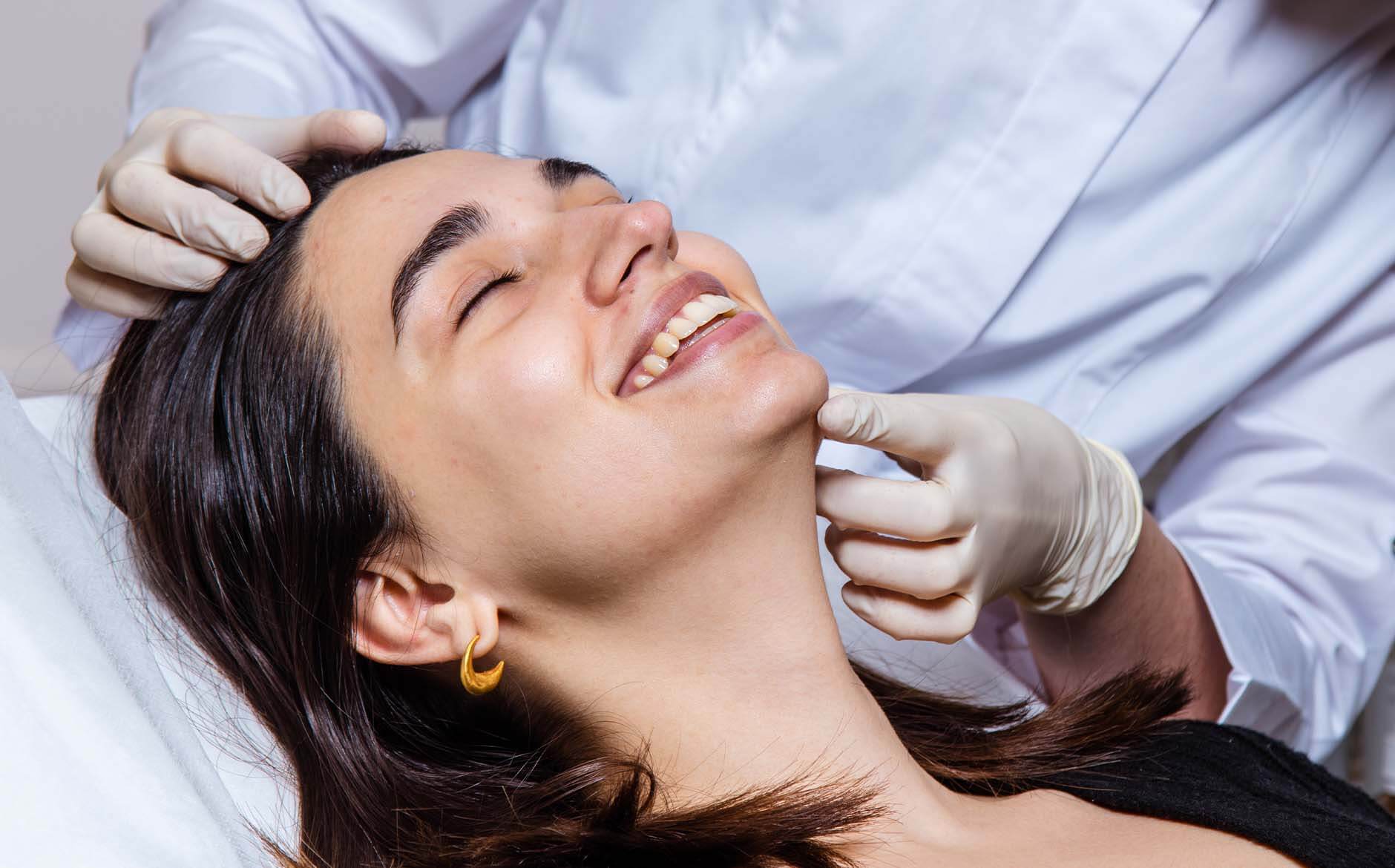
Your dermatologist will take a full skin and medical history, examine the affected areas, and determine the type of dermatitis. Where appropriate, allergy patch testing or swabs may be recommended. A personalised treatment plan will be agreed with you before you leave.