










Treatment at Swift Access Health

Skin Tag Removal

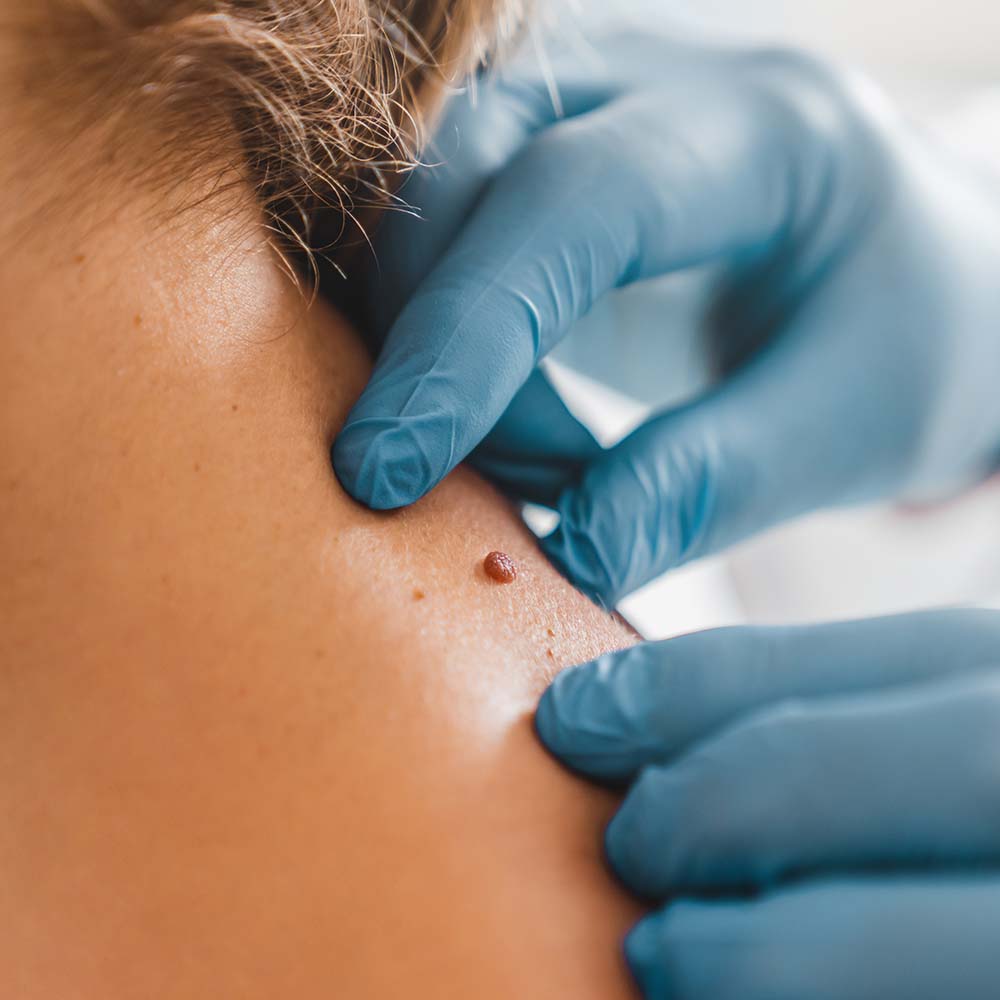
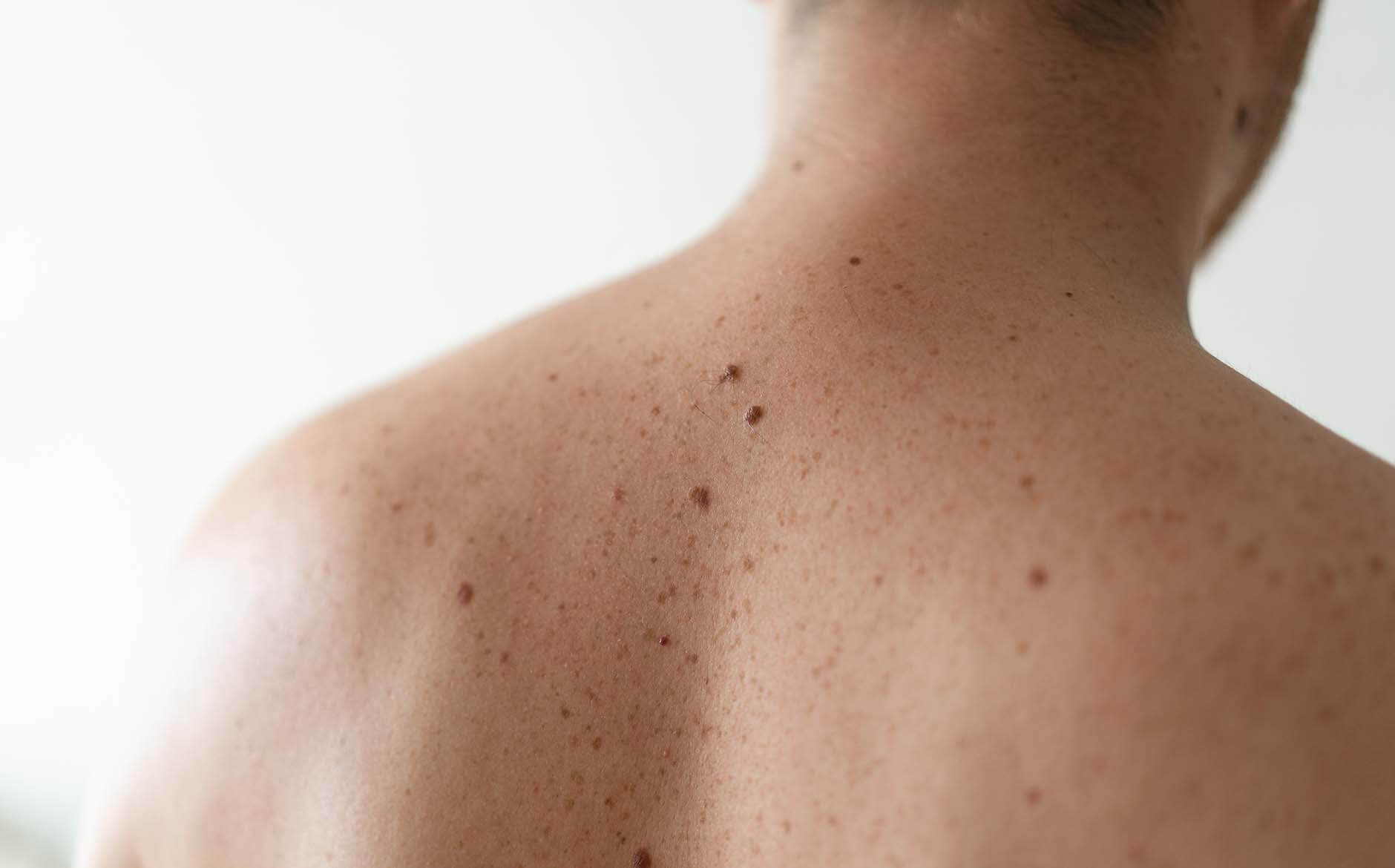
Skin tags — medically known as acrochordons — are small, soft, flesh-coloured growths that hang from the skin on a thin stalk. They are entirely benign and extremely common, developing most frequently in areas of friction or skin folds such as the neck, underarms, groin, eyelids, and beneath the breasts. Skin tags do not carry any health risk, but they can catch on clothing or jewellery causing irritation, and many patients choose removal for cosmetic reasons or to prevent recurrent discomfort.

Skin tag removal is a quick, straightforward procedure performed under local anaesthetic. Depending on the size and number of skin tags, removal is carried out by surgical excision using a scalpel or scissors. Multiple skin tags can be treated in a single session. The procedure is well tolerated and most patients return to normal activities the same day.

Book Consultation

Info

Time

15–30 minutes; multiple skin tags removed in a single session

Results

Complete, permanent removal of treated skin tags; smooth, clear skin following healing

Risks

Minor bleeding, infection, pigmentation change, or small scar — all uncommon and temporary

Recovery

Minimal — most patients resume normal activities the same day

Anaesthetic

Local anaesthetic injection; topical numbing cream for very small tags

Aftercare

Keep area clean and dry for 24–48 hours; avoid sun exposure; dressing if required

Why Choose Swift Access Health

Benefits of Professional Skin Tag Removal

Professional removal of skin tags by an experienced clinician is fast, safe, and permanent — achieving a clear, comfortable result with minimal risk of complications.

  • Quick, in-clinic procedure with local anaesthetic — comfortable and well tolerated
  • Multiple skin tags removed in a single efficient appointment
  • Choice of removal technique based on tag size, location, and patient preference
  • Low risk of scarring with careful technique selection and skilled execution
  • Permanent removal — treated skin tags do not recur at the same site
  • Same-day return to normal activities for most patients
Book Consultation
Your Patient Journey

1. Your
Consultation

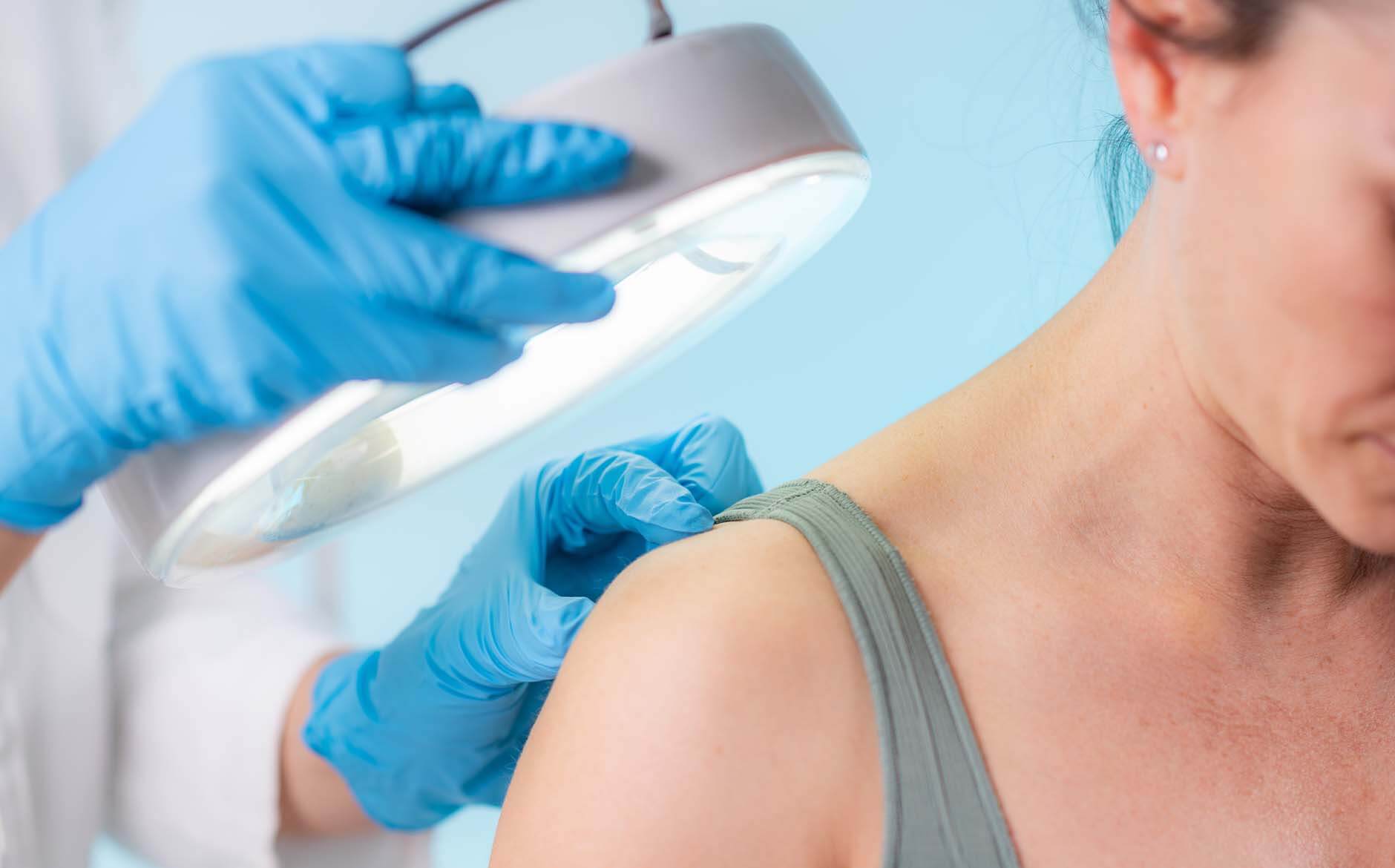
Your clinician will examine the skin tags and confirm the diagnosis. The number, size, and location of the tags will be assessed and the most appropriate removal technique discussed. For tags in sensitive areas such as the eyelids or groin, particular care is taken in technique selection. The procedure, expected results, and any risks are explained before proceeding.


Your Patient Journey

2. Your
Treatment

Local anaesthetic is administered around the skin tag to ensure the procedure is completely pain-free. The skin tag is then removed using the agreed technique — surgical excision with scissors or scalpel, electrocautery, or cryotherapy. Most procedures are complete within minutes. A small dressing may be applied if the site is in an area prone to friction or rubbing.

Your Patient Journey

3. Aftercare

Keep the treated area clean and dry for 24–48 hours. Avoid touching or scratching the site. For larger tags removed by surgical excision, a small dressing may be worn for 24 hours. Avoid direct sunlight on the healing area. The site heals quickly and cleanly in the vast majority of cases, with minimal marking.

Frequently Asked Questions

  • Skin tags develop in areas of friction and skin-on-skin contact. They are more common in overweight individuals, during pregnancy, and in people with diabetes or insulin resistance — likely due to hormonal factors and skin fold formation. They are also associated with human papillomavirus (HPV) in some cases, though they are entirely harmless.

  • No. Skin tags are benign growths that carry no risk of malignancy. However, any lesion that is growing rapidly, bleeding, painful, or does not look like a typical skin tag should be assessed by a clinician before removal, to ensure the correct diagnosis is made.

  • Home removal using over-the-counter freezing kits, tying off with thread, or cutting with scissors is not recommended. These methods carry a significant risk of infection, bleeding, incomplete removal, and scarring — particularly around delicate areas such as the eyelids or groin. Professional removal is fast, safe, and definitive.

  • Once removed, a skin tag will not regrow at the same site. However, new skin tags may develop in the same body areas over time, particularly in individuals who are prone to them. This reflects the underlying tendency rather than recurrence of the treated lesions.

  • There is no strict limit, and multiple skin tags across different body areas can be addressed efficiently within a single appointment. For very large numbers of lesions, your clinician will advise on the most sensible approach — whether to treat all at once or in staged sessions.

  • Yes. Eyelid skin tags are very common and can be safely removed under local anaesthetic by an experienced clinician with the appropriate training and technique. The periocular area requires particular care, and your clinician will select the safest approach for this location.

Related Treatments

Treatments

Cryotherapy

Treatments

Lipoma Removal