










Dermatology at Swift Access Health

Adult Acne

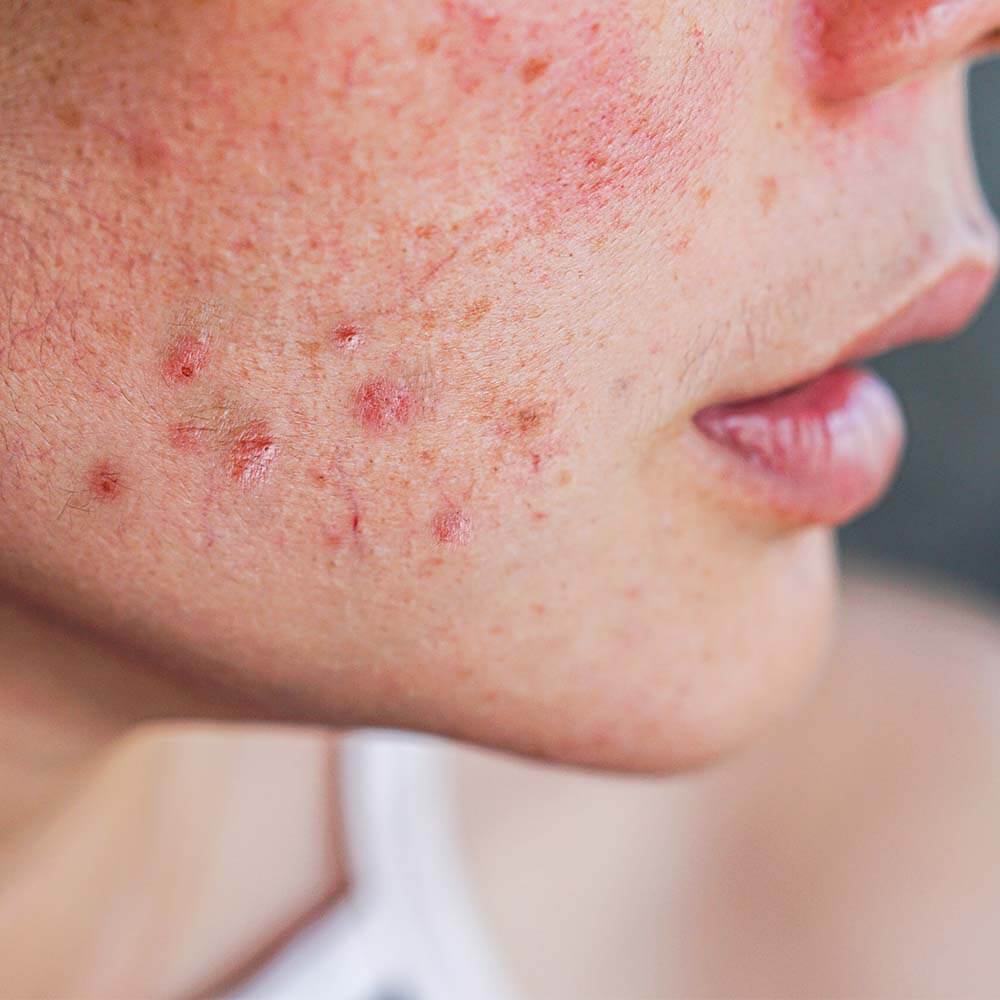
Adult acne affects individuals aged 25 and over and is more common than many people realise — affecting around 5% of women and 1% of men over this age. Unlike teenage acne, which typically appears in the T-zone, adult acne more commonly affects the lower face, jawline, chin, and neck. It may be a continuation of adolescent acne or develop for the first time in adulthood, and can cause significant emotional distress alongside its physical impact.

At Swift Access Health, our consultant dermatologists take a thorough approach to adult acne — identifying the underlying drivers, which may include hormonal fluctuations, stress, dietary factors, or medication side effects, and building a personalised treatment plan. We offer the full range of topical, oral, and advanced in-clinic therapies, including AviClear laser treatment and BBL, to achieve clear skin and address scarring where present.

Book Consultation

Info

Time

30-minute initial appointment with a consultant dermatologist

Results

Significant improvement achievable with appropriate treatment; most patients respond well

Risks

Scarring and pigmentation changes if inadequately treated; all medication risks discussed at consultation

Recovery

Topical and oral treatments show improvement over 6–12 weeks; in-clinic treatments vary

Treatment

Topical retinoids, oral antibiotics, isotretinoin, hormonal therapy, BBL, or AviClear laser

Aftercare

Skincare routine guidance, photographic monitoring, and regular review

Why Choose Swift Access Health

Benefits of Specialist Acne Treatment

Expert dermatological management of adult acne addresses the root cause, clears active breakouts, and minimises the risk of long-term scarring.

  • Personalised diagnosis identifying the specific drivers of your acne — hormonal, dietary, lifestyle, or other
  • Full range of prescription treatments including retinoids, antibiotics, and isotretinoin
  • Advanced in-clinic therapies: AviClear laser (targets sebaceous glands), Sciton BBL, and chemical peels
  • Hormonal therapy options for women with cycle-related acne or PCOS
  • Treatment of post-acne scarring using micro-needling, peels, and laser
  • Photographic monitoring to track progress and guide treatment adjustments
Book Consultation
Your Patient Journey

1. Your
Consultation

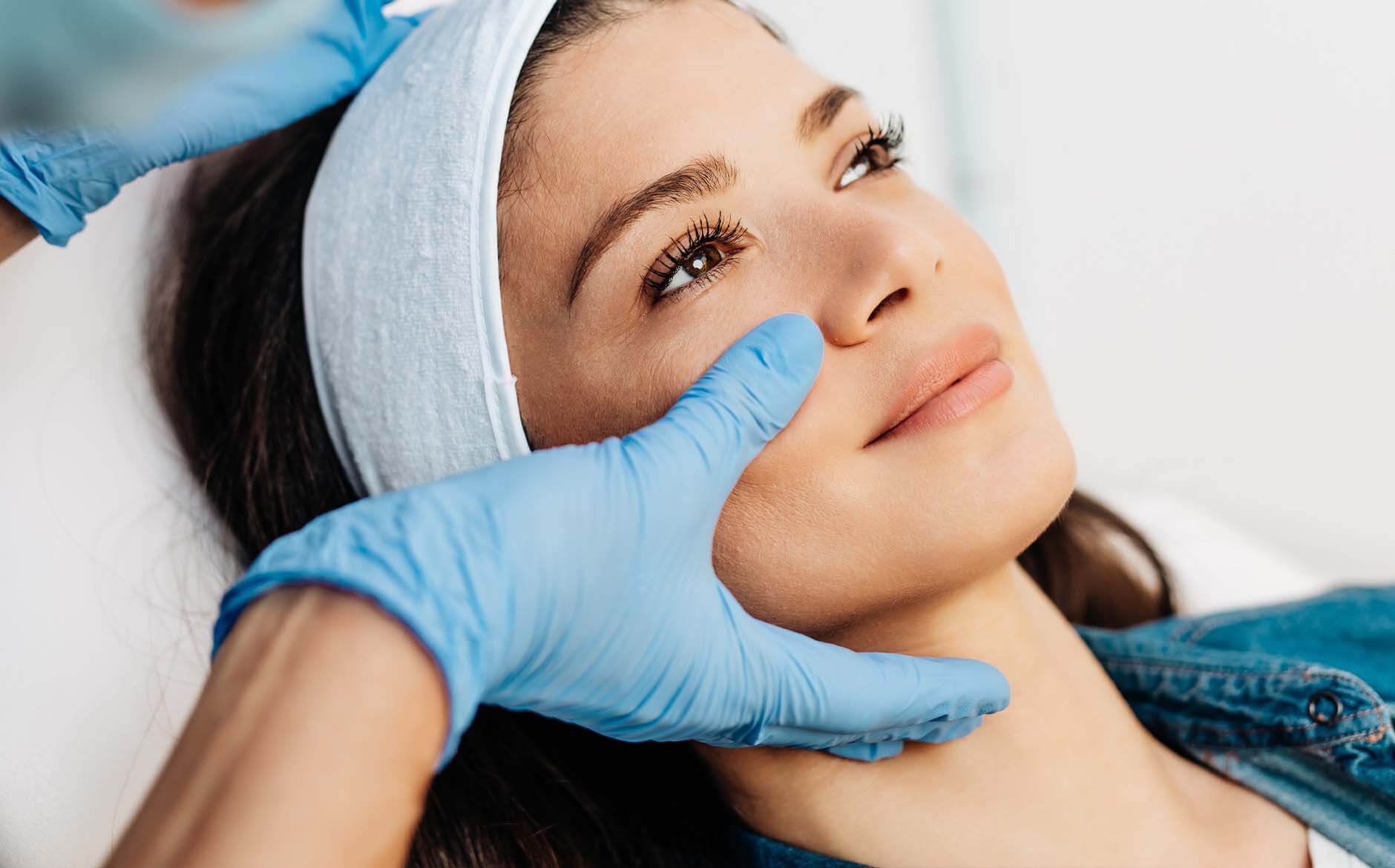
Your dermatologist will take a detailed history of your acne — when it started, previous treatments, potential triggers, and its impact on your daily life. Your skin will be assessed and a personalised treatment plan agreed, combining the approaches most likely to be effective for your individual pattern of acne.

Your Patient Journey

2. Your
Treatment

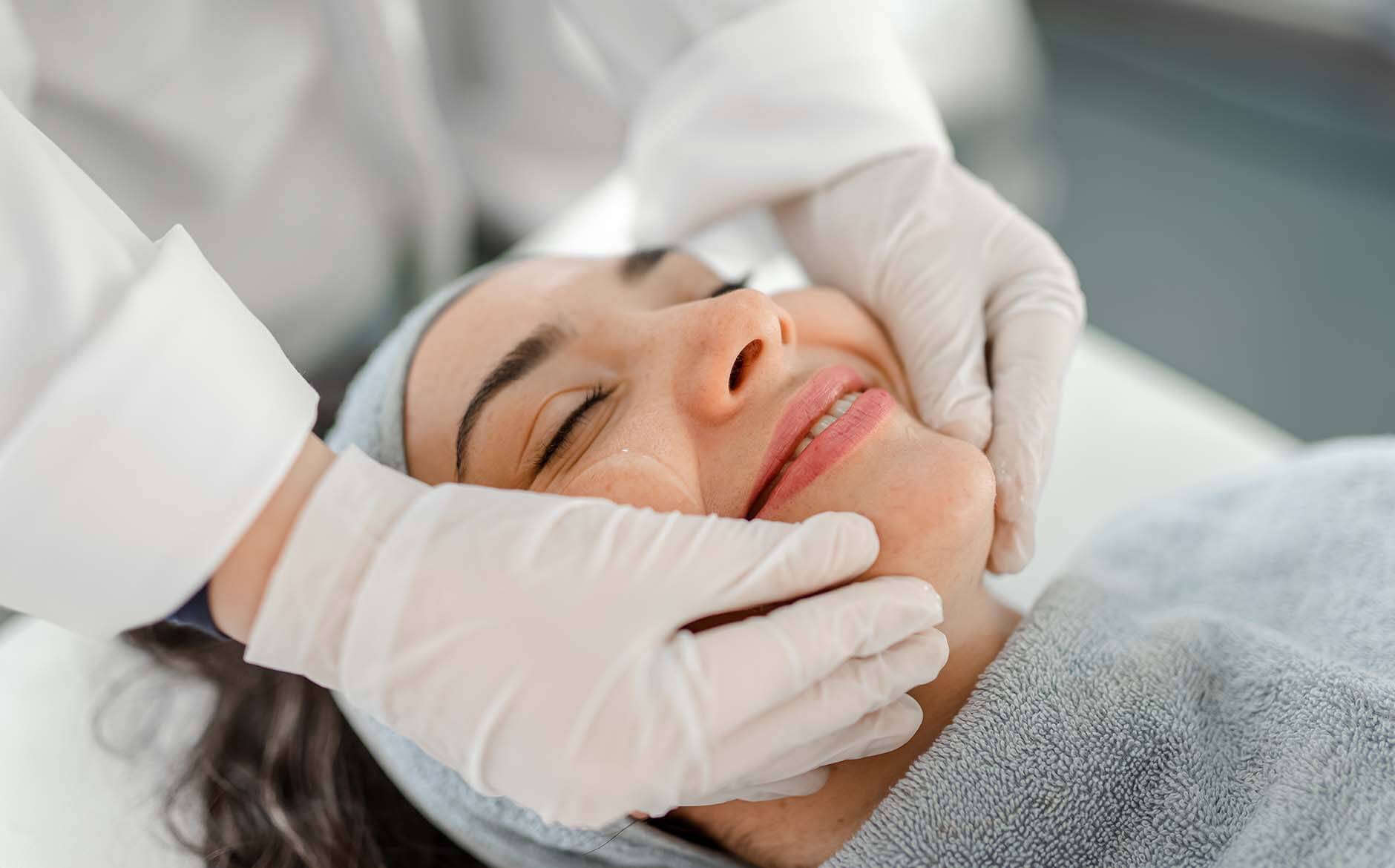
Treatment is tailored to your acne type and severity. This may begin with prescription topicals and oral antibiotics, with hormonal therapy added for relevant cases. Isotretinoin is considered where appropriate for severe or scarring acne. In-clinic treatments such as BBL or AviClear are offered alongside medical management for enhanced results.

Your Patient Journey

3. Aftercare

You will receive guidance on an appropriate daily skincare routine and any lifestyle adjustments that may be beneficial. Progress is monitored photographically and at follow-up appointments. Where post-acne scarring is a concern, your dermatologist will discuss the range of treatment options available and the optimal timing for beginning these.

Frequently Asked Questions

  • Adult acne can result from hormonal fluctuations (including those related to menstrual cycles, pregnancy, perimenopause, or PCOS), stress, certain medications, dietary factors, or simply a genetic tendency. Identifying the primary driver helps guide the most effective treatment.

  • Yes. Adult acne tends to appear on the lower face, jawline, and neck rather than the T-zone, and is more likely to produce deeper, inflammatory nodules and cysts than the surface-level spots common in adolescence. It also tends to be more persistent and often requires longer treatment.

  • Most topical and oral treatments require 6–12 weeks before significant improvement is visible. It is important to continue treatment consistently during this time and to attend follow-up appointments for review and adjustment.

  • AviClear is an innovative laser treatment that targets and suppresses the sebaceous glands responsible for excess oil production — one of the key drivers of acne. It is suitable for mild, moderate, and severe acne, and can reduce breakouts significantly with a course of sessions.

  • Yes. A range of treatments is available for post-acne scarring, including chemical peels, micro-needling, Profhilo, and laser resurfacing. The best approach depends on the type and severity of scarring, and your dermatologist will discuss the options with you.

  • Isotretinoin is a highly effective treatment for severe or scarring acne, but it requires careful monitoring and comes with important considerations — including contraception requirements for women of childbearing age. Your dermatologist will review your full medical history and explain all relevant risks and monitoring requirements before prescribing.

Related Concerns

Concerns

Dry Skin

Concerns

Rashes