











Dermatology at Swift Access Health

Eczema (Atopic Dermatitis)

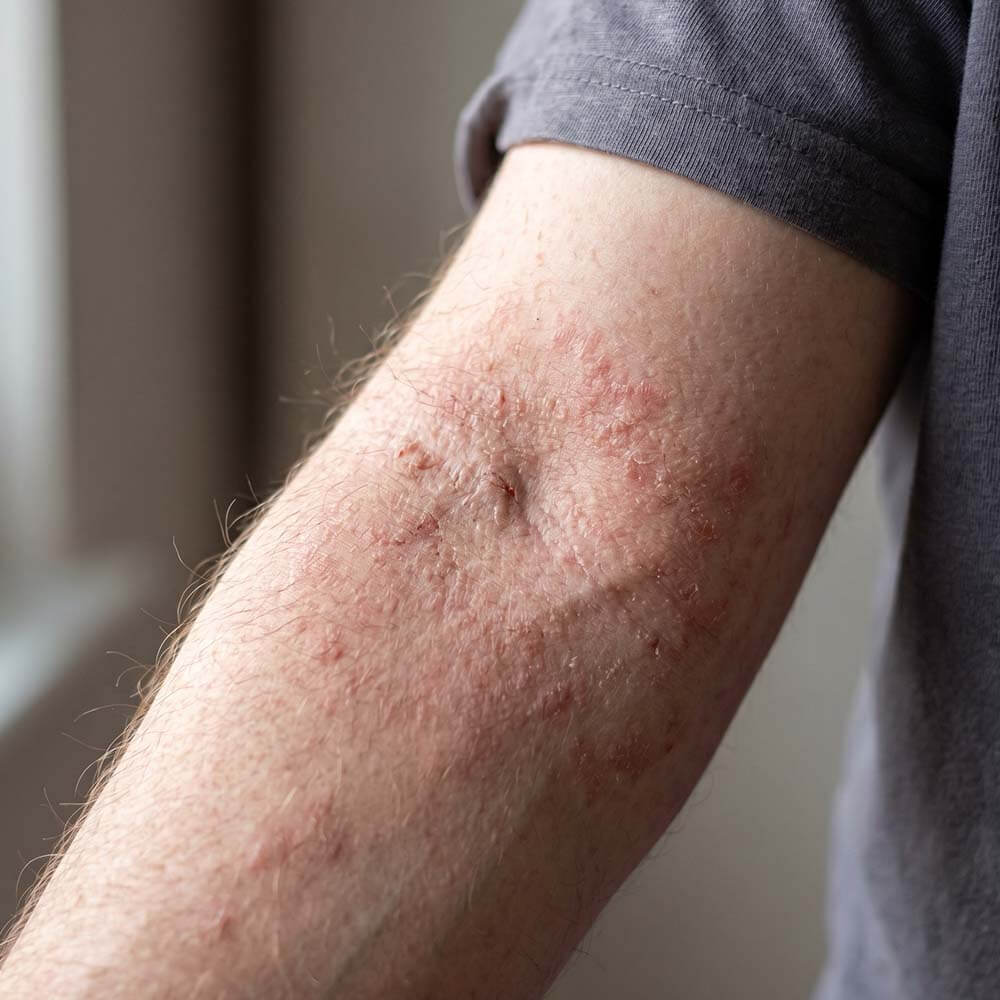
Eczema, also known as atopic dermatitis, is a chronic inflammatory skin condition causing dryness, itching, and redness. It most commonly begins in childhood but can develop or persist at any age. Although it cannot be cured, eczema can usually be well controlled with good skincare and targeted treatment. At Swift Access Health, our consultant dermatologists provide expert assessment and build personalised management plans for patients with all severities of eczema.

Treatment focuses on restoring the skin barrier, reducing inflammation during flare-ups, and preventing recurrence. Options range from emollients and topical corticosteroids to advanced systemic therapies and phototherapy. Our team also provides practical education on trigger avoidance, skin hygiene, and long-term maintenance — giving patients the tools to manage their skin with confidence.

Book Consultation

Info

Time

30-minute initial appointment with a consultant dermatologist

Results

Most patients achieve good symptom control; flare-ups managed effectively with treatment

Risks

Skin infections, sleep disruption, and psychological impact if poorly controlled

Recovery

Flare-ups typically settle within 1–2 weeks with appropriate treatment

Treatment

Emollients, topical steroids, systemic medications, or phototherapy as required

Aftercare

Daily moisturising, trigger avoidance, and ongoing review with your dermatologist

Treatment Name

Benefits of Specialist Eczema Care

Expert-led eczema management reduces flare frequency and severity, protects skin health, and significantly improves quality of life.

  • Comprehensive assessment by a consultant dermatologist to confirm diagnosis and identify triggers
  • Tailored treatment plans using emollients, topical therapies, and trigger avoidance education
  • Access to advanced treatments including systemic medications and phototherapy for severe cases
  • Management of infected eczema and complications such as eczema herpeticum
  • Both adult and paediatric dermatology services available
  • Dedicated follow-up to support long-term skin health and wellbeing
Book Consultation
Your Patient Journey

1. Your
Consultation

Your dermatologist will assess your skin, take a full history, and identify any relevant triggers or associated allergic conditions. The type and severity of your eczema will be confirmed and a personalised treatment plan agreed, including which emollients and topical therapies are most suitable for you.


Your Patient Journey

2. Your
Treatment

Treatment is started according to your individual needs. Emollients form the cornerstone of care, applied regularly to restore and protect the skin barrier. During flare-ups, topical corticosteroids or calcineurin inhibitors are used to reduce inflammation. For severe or unresponsive eczema, systemic treatments or phototherapy may be recommended.

Your Patient Journey

3. Aftercare

You will receive clear guidance on daily skincare routines, how to manage flare-ups early, and what to watch for in terms of infection. Follow-up appointments are scheduled to review your response to treatment and adjust your plan as needed to maintain clear, comfortable skin.

Frequently Asked Questions

  • Eczema usually refers to chronic, itchy, inflammatory conditions like atopic eczema, while dermatitis is a broader term that includes all types of skin inflammation. Eczema is a type of dermatitis, but not all dermatitis is eczema.

  • There is currently no cure for eczema, but it can be very well controlled. Many children improve significantly as they get older. With the right treatment plan, most people can keep their skin comfortable and prevent frequent flare-ups.

  • Common triggers include soaps, detergents, fragranced products, wool or synthetic fabrics, overheating, stress, allergens such as dust mites or pet dander, and infections. Identifying and avoiding your personal triggers is key to long-term management.

  • At least twice daily, even when your skin appears clear. Apply emollient immediately after bathing to lock in moisture. Greasier formulations are often more effective for very dry skin.

  • Topical corticosteroids should be used during flare-ups, as directed by your dermatologist. They come in different strengths — milder steroids are used on the face and sensitive areas, while stronger formulations are appropriate for the hands or body.

  • If topical treatments are insufficient, your dermatologist may consider systemic therapies such as dupilumab, ciclosporin, or methotrexate, or refer you for phototherapy. Swift Access Health offers access to this full range of specialist treatments.

Related Concerns

Concerns

Psoriasis

Concerns

Rashes