









-
Why do keloid scars form?
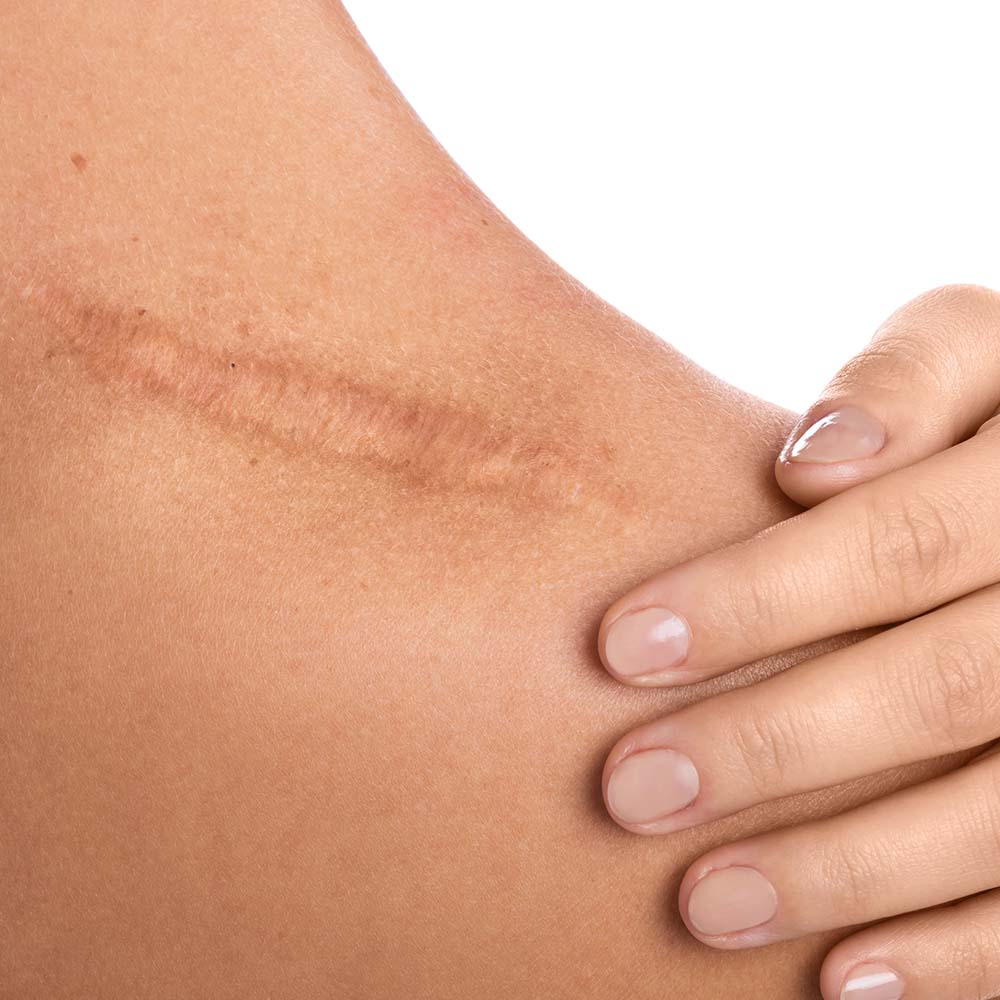
Keloids result from an abnormal wound healing response in which the body produces excessive collagen. They extend beyond the original wound boundary and do not resolve on their own. Genetic predisposition plays a significant role — keloids are more common in people with darker skin tones and those with a family history of keloid formation.
-
Why must keloid surgery be combined with adjuvant treatment?
Surgery alone carries a significant risk of stimulating a more aggressive keloid to regrow. Combining excision with either steroid injections or next-day radiotherapy disrupts the abnormal scar-forming process and dramatically reduces the risk of recurrence. This combined approach is the current gold standard.
-
What is next-day radiotherapy and is it safe?
Next-day radiotherapy involves a single, precisely targeted dose of low-dose radiation delivered to the surgical site within 24 hours of excision, before new scar tissue begins to form. The radiation field is small and the dose is calibrated to minimise any risk to surrounding structures. It is a well-established treatment for keloid prevention and is offered in selected cases.
-
Can keloids be treated without surgery?
Yes, for smaller or early keloids. Intralesional steroid injections (triamcinolone) alone can flatten and soften keloids over a course of monthly injections. Silicone sheeting and pressure therapy may also provide benefit. However, larger or established keloids usually require surgical excision combined with adjuvant treatment.
-
Will the keloid come back after treatment?
The risk of recurrence is significantly reduced — but not eliminated — by combining surgery with adjuvant therapy. Patients are monitored closely and additional steroid injections may be administered if early signs of recurrence are detected. Following aftercare advice, including pressure therapy and sun protection, is important.
-
Does the treatment work on all body sites?
Keloids can be treated at most body sites. Certain locations — such as the chest, shoulders, and upper back — carry a higher inherent risk of recurrence regardless of treatment. Your surgeon will discuss site-specific considerations and adjust the management plan accordingly.
Your Patient Journey
1. Your
Consultation
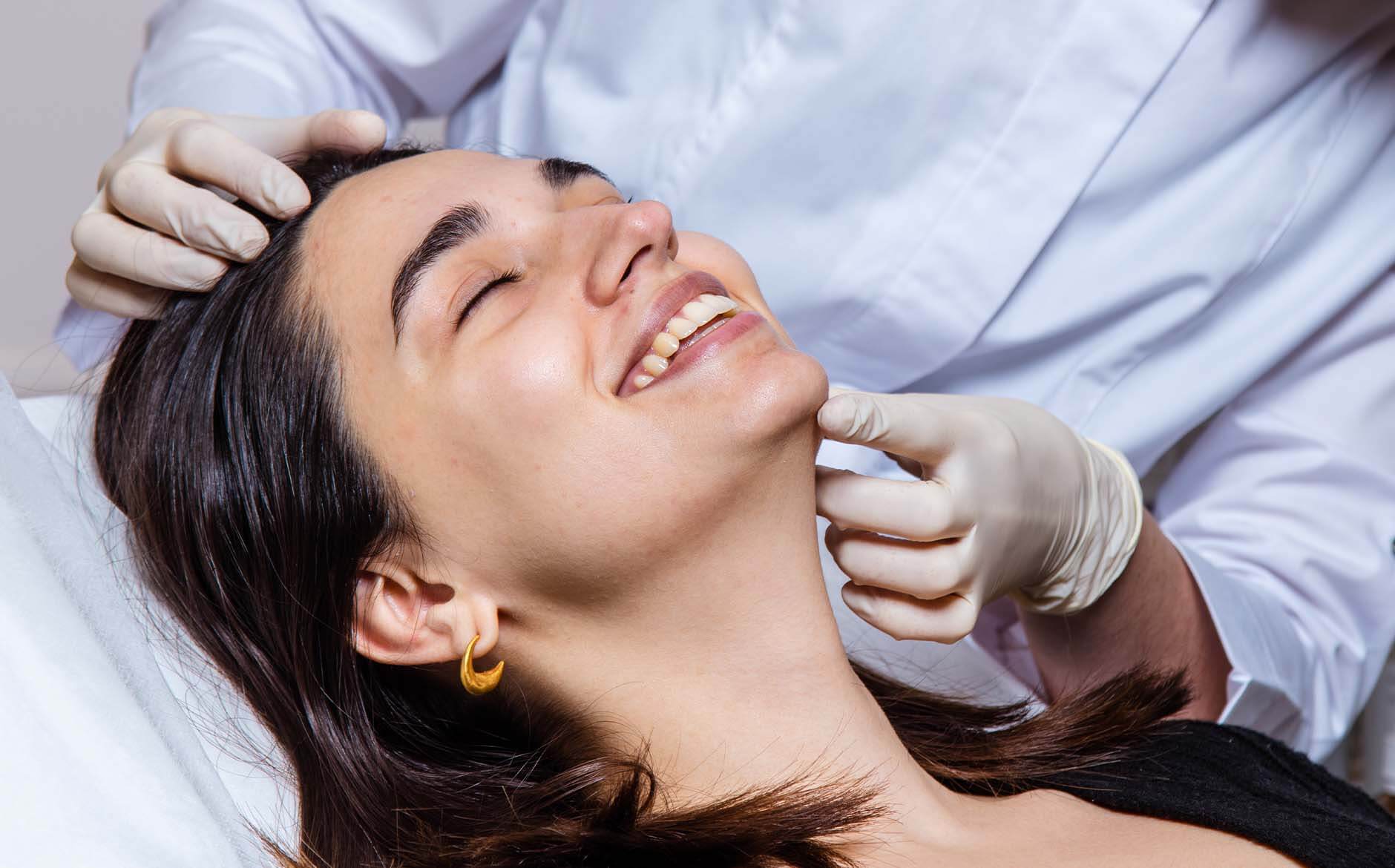
Your surgeon will examine the keloid scar, review your medical history, and assess any previous treatments. The surgical approach and the choice of adjuvant treatment — steroid injections or next-day radiotherapy — will be explained and agreed. Photographs are taken and the procedure, risks, and expected outcomes are discussed in full before consent is obtained.