












Dermatology at Swift Access Health

Melasma

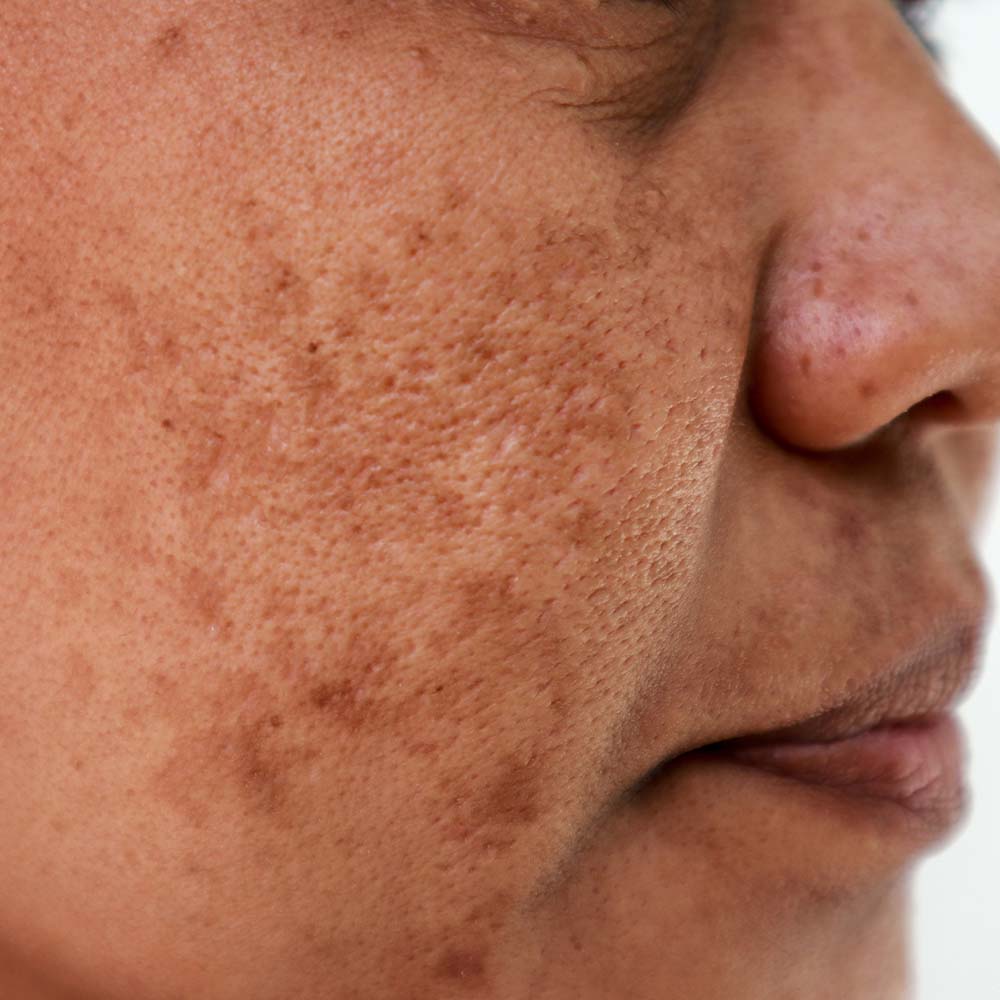
Melasma is a common acquired pigmentation disorder characterised by symmetrical brown or greyish patches, most frequently appearing on the face — particularly the cheeks, upper lip, forehead, and chin. It is strongly associated with hormonal changes, including pregnancy (‘the mask of pregnancy’), oral contraceptive use, and hormone replacement therapy, as well as sun exposure which both triggers and worsens the condition. It affects people of all skin types but is more prevalent and often more pronounced in those with darker skin tones.

At Swift Access Health, our consultant dermatologists provide expert assessment of melasma and build personalised treatment plans that combine prescription topical therapies, sun protection, and where appropriate, treatments such as chemical peels or laser therapy. Treatment of melasma requires careful management — particularly in darker skin types — as aggressive approaches can cause post-inflammatory hyperpigmentation. Our approach is measured, evidence-based, and tailored to each patient’s skin.

Book Consultation

Info

Time

30-minute appointment with a consultant dermatologist

Results

Significant lightening achievable with appropriate treatment; maintenance required long-term

Risks

Can worsen with UV exposure or hormonal changes; some treatments can cause irritation if not correctly used

Recovery

Improvement typically visible over 8–12 weeks; full results over several months

Treatment

Topical agents (hydroquinone, azelaic acid, tranexamic acid), chemical peels, targeted laser therapy

Aftercare

Daily SPF 50+ essential; avoid hormonal triggers where possible; maintenance treatment ongoing

Why Choose Swift Access Health

Benefits of Expert Melasma Treatment

Specialist-led diagnosis and evidence-based treatment of melasma produces meaningful, lasting improvement in pigmentation — safely and without risking worsening in sensitive skin types.

  • Consultant dermatologist assessment to confirm melasma diagnosis and identify triggers
  • Prescription topical therapies including hydroquinone, azelaic acid, retinoids, and tranexamic acid
  • Careful management in darker skin types, where aggressive treatment can worsen pigmentation
  • Chemical peels and laser therapy available for resistant cases
  • Hormonal trigger assessment — guidance on contraception, HRT, and pregnancy planning implications
  • Long-term maintenance strategy to prevent relapse, with daily photoprotection as a cornerstone
Book Consultation
Your Patient Journey

1. Your
Consultation

Your dermatologist will examine your pigmentation using Wood’s lamp where appropriate, take a full history including hormonal factors, sun exposure habits, and previous treatments, and classify your melasma by depth (epidermal, dermal, or mixed). A tailored treatment plan is agreed, with realistic expectations set for the timeline of improvement.


Your Patient Journey

2. Your
Treatment

Treatment begins with a prescribed topical regimen. Hydroquinone-based combinations (often including a retinoid and a mild steroid) are a well-established first-line approach. Azelaic acid and tranexamic acid are alternatives, particularly for longer-term maintenance. Chemical peels or laser treatment may be introduced for patients with inadequate response to topical therapy alone, with careful skin type assessment beforehand.

Your Patient Journey

3. Aftercare

Rigorous daily sun protection with SPF 50+ is non-negotiable — UV exposure is the primary driver of melasma and will undermine any treatment. Regular follow-up appointments track progress and adjust the regimen. Long-term maintenance treatment is often needed as melasma tends to recur, particularly with ongoing hormonal or sun exposure.

Frequently Asked Questions

  • Melasma results from overactive melanocytes stimulated by UV light and hormonal influences — particularly oestrogen and progesterone. The most common triggers are pregnancy, combined oral contraceptives, and hormone replacement therapy. Sun exposure is the single most important factor in both triggering and maintaining melasma.

  • Melasma can be significantly reduced but is rarely cured permanently, as the underlying tendency remains. Many patients achieve excellent lightening with treatment but require ongoing maintenance — particularly diligent sun protection — to prevent relapse.

  • Melasma is not medically harmful, but it can have a significant impact on confidence and quality of life, particularly when it affects visible areas of the face. It is important to distinguish melasma from other pigmentation conditions, some of which can indicate underlying health issues.

  • Topical treatments for melasma typically show initial improvement after 6–8 weeks, with more significant results over 3–6 months. Results depend on consistent daily use of the prescribed regimen and strict sun avoidance. Progress is reviewed at follow-up appointments and the plan adjusted accordingly.

  • Laser treatment can be effective for some patients with melasma, but must be used with caution — particularly in darker skin types, where certain laser energies can trigger post-inflammatory hyperpigmentation. Gentle options such as Clear + Brilliant or low-fluence Q-switched lasers are generally safer. Your dermatologist will assess whether laser treatment is appropriate for your skin.

  • Discontinuing hormonal contraception can help reduce the hormonal stimulus driving melasma and may slow progression or improve the response to treatment. However, melasma does not always resolve fully even after stopping hormonal triggers, particularly if sun exposure remains inadequately controlled.

Related Concerns

Concerns

Melanoma

Concerns

Skin Cancer