











Dermatology at Swift Access Health

Moles

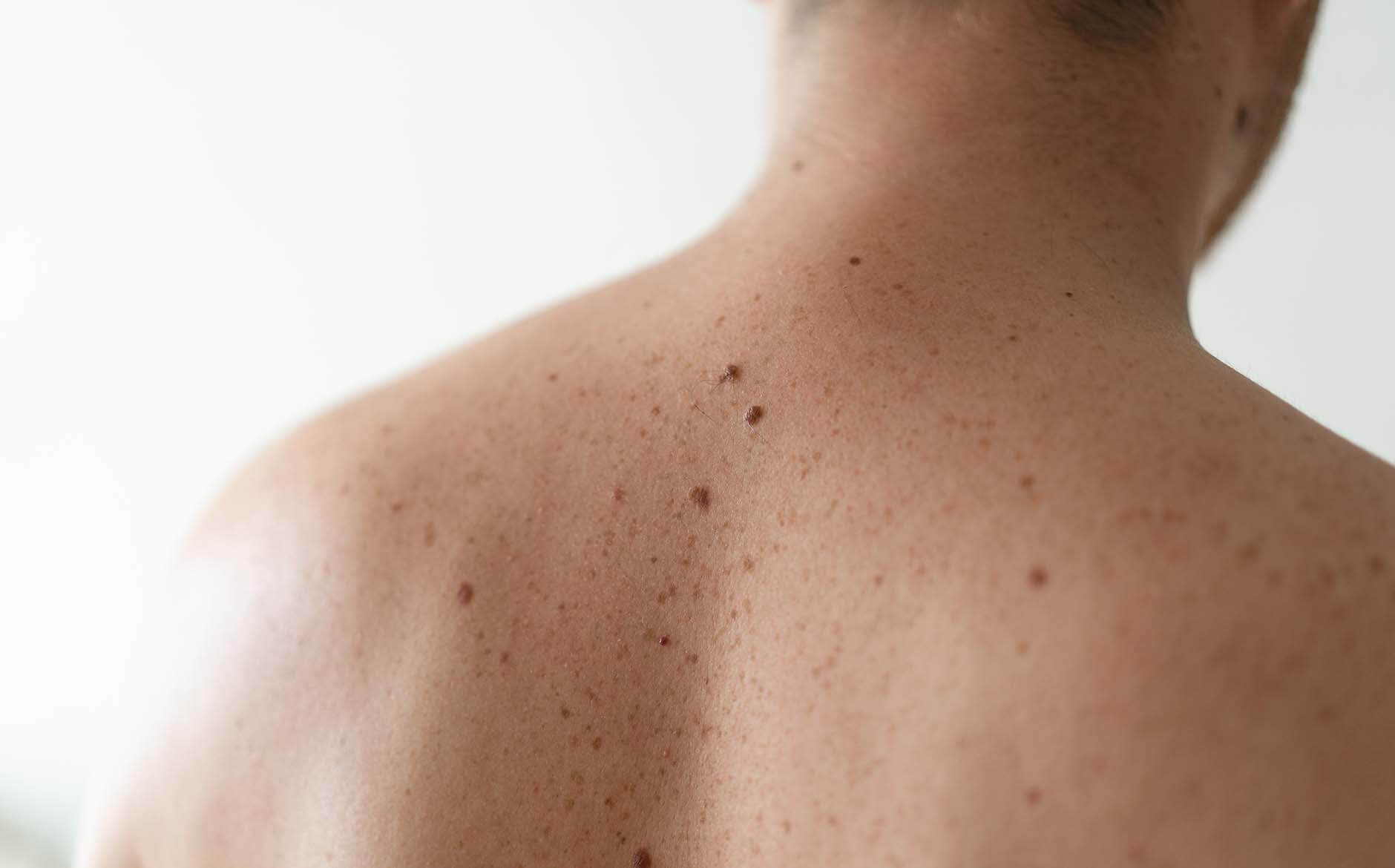
Moles are common skin growths formed from clusters of pigmented cells (melanocytes). Most people have between 10 and 40 moles, and the vast majority are entirely harmless. However, moles can occasionally change over time and, in some cases, develop into melanoma — the most serious form of skin cancer. Regular monitoring and knowing what to look for are essential. At Swift Access Health, our consultant dermatologists offer expert assessment, dermoscopy, and professional mole surveillance.

If you are concerned about a mole — whether it is new, changing, or simply worrying you — our team can provide a thorough clinical evaluation, dermoscopic examination, and clear advice on next steps. Where removal is needed, whether for diagnostic or cosmetic reasons, our plastic surgeons perform precise excision with careful attention to scarring and healing.

Book Consultation

Info

Time

30-minute appointment with a consultant dermatologist or plastic surgeon

Results

Clear clinical and dermoscopic assessment; moles removed with minimal scarring where indicated

Risks

Untreated atypical moles carry a small risk of melanoma; early review is always advisable

Recovery

1–4 weeks following surgical removal, depending on size and method

Anaesthetic

Local anaesthetic for surgical removal; topical anaesthetic may be used for minor procedures

Aftercare

Sun protection, wound care, and regular skin checks to monitor remaining moles

Why Choose Swift Access Health

Benefits of Professional Mole Assessment

Expert mole review by a consultant dermatologist ensures early identification of any concerning changes and appropriate management — protecting your long-term skin health.

  • Dermoscopic assessment by experienced consultant dermatologists for accurate lesion evaluation
  • Clear, evidence-based advice on whether removal, surveillance, or reassurance is appropriate
  • Surgical excision by plastic surgeons for moles requiring removal, with histological analysis of all specimens
  • Careful scar management with incisions placed to minimise visibility
  • Mole mapping available for ongoing surveillance of patients with multiple or atypical moles
  • Early detection approach — catching any melanoma as early as possible dramatically improves outcomes
Book Consultation
Your Patient Journey

1. Your
Consultation

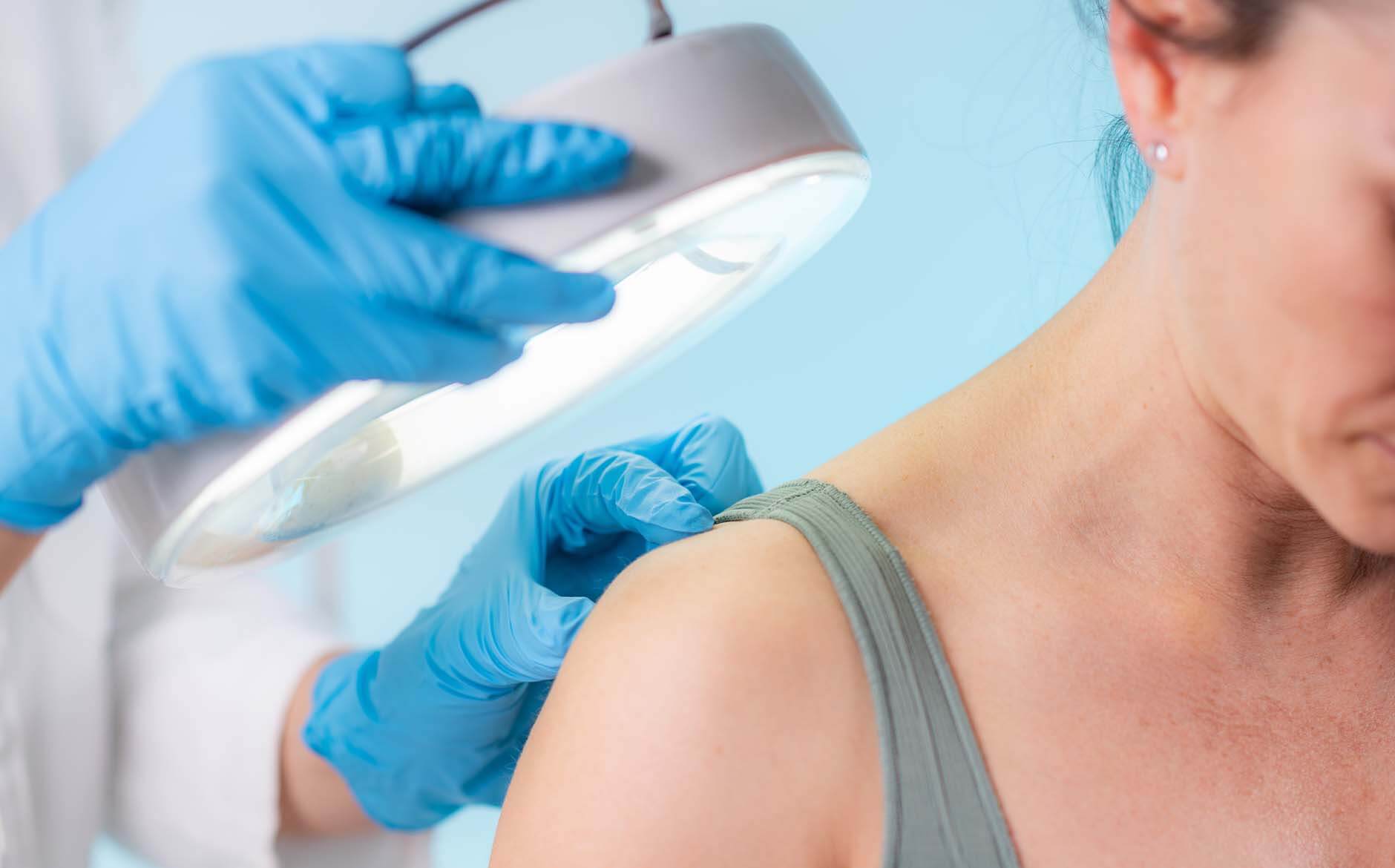
Your dermatologist will take a clinical history and examine your mole or moles using a dermatoscope. Using the ABCDE criteria, they will assess each lesion for features of concern and provide clear recommendations — whether that is reassurance, surveillance, or removal for diagnostic or cosmetic reasons.


Your Patient Journey

2. Your
Treatment

If removal is recommended, this is performed by a plastic surgeon under local anaesthetic. The mole is excised with an appropriate margin, the wound is closed neatly, and the tissue is sent to a pathology laboratory for histological analysis to confirm its nature and ensure complete removal.

Your Patient Journey

3. Aftercare

Following removal, you will receive wound care guidance and a follow-up appointment to discuss your histology results. You will also receive advice on sun protection, self-examination using the ABCDE method, and ongoing skin surveillance — particularly important for patients with a personal or family history of atypical moles or skin cancer.

Frequently Asked Questions

  • Use the ABCDE method: Asymmetry, irregular Border, multiple Colours, Diameter greater than 6mm, and any Evolving or changing features. Any mole that itches, bleeds, or suddenly changes should be reviewed by a dermatologist promptly. If in doubt, always get it checked.

  • Not necessarily. Atypical moles (dysplastic naevi) require careful assessment but do not always need immediate removal. Your dermatologist will advise on the most appropriate approach — which may be removal, regular monitoring, or simply reassurance.

  • No. Local anaesthetic is used for surgical excision, so you will not feel pain during the procedure. Some mild soreness or tenderness around the site is normal in the days following.

  • A small scar is inevitable after surgical removal, but our plastic surgeons place incisions carefully to minimise visibility. Scars typically fade significantly over the months following surgery.

  • If the entire mole is removed surgically, recurrence is very unlikely. Laser removal carries a slightly higher risk of regrowth as it does not remove the deeper layers, which is one reason it is not suitable for suspicious moles.

  • Mole mapping is particularly valuable for patients with many moles, a history of atypical naevi, a personal or family history of melanoma, or fair skin with high sun exposure. Your dermatologist can advise whether this is appropriate for you.

Related Concerns

Concerns

Skin Cancer

Concerns

Melanoma