









-
What types of rash require urgent medical assessment?
Seek urgent assessment for rashes accompanied by high fever, difficulty breathing, or swelling of the face or throat (suggesting anaphylaxis); a spreading purpuric (non-blanching) rash which can indicate meningococcal disease; painful blistering over a widespread area; or any rash in an immunocompromised individual. If in doubt, seek urgent care.
-
What is the difference between a viral rash and an allergic rash?
Viral rashes typically appear alongside systemic symptoms such as fever, sore throat, or general malaise, and often follow a characteristic pattern and distribution. Allergic rashes tend to develop after exposure to a trigger (a new medication, food, or contact allergen), are often itchy, and may include urticaria (hives) or swelling. A dermatologist can help distinguish between the two and guide treatment.
-
Can stress cause a rash?
Yes. Stress can trigger or worsen several skin conditions including eczema, psoriasis, rosacea, and urticaria. It does not directly cause a rash but can lower the threshold for flare-ups of underlying skin conditions and impair the skin’s barrier function.
-
What is urticaria (hives) and how is it treated?
Urticaria — or hives — presents as itchy, raised, red or skin-coloured welts that appear and disappear within hours. Acute urticaria often has an identifiable trigger such as a food, drug, or infection. Chronic urticaria (lasting more than 6 weeks) is usually idiopathic. It is treated with non-sedating antihistamines and, in resistant cases, with omalizumab or other specialist therapies.
-
How long should I wait before seeking help for a rash?
If a rash is spreading rapidly, accompanied by systemic symptoms, or is causing significant distress, seek assessment promptly. For rashes that are not improving with over-the-counter treatment after 2–3 weeks, or that keep recurring, a specialist dermatology consultation is advisable to obtain an accurate diagnosis.
-
When might a skin biopsy be needed?
A skin biopsy is used when the clinical diagnosis is uncertain, when a serious condition needs histological confirmation, or when a rash has not responded to initial treatment as expected. It is a quick, minor procedure performed under local anaesthetic, sending a small sample of skin to the pathology laboratory for analysis.
Your Patient Journey
1. Your
Consultation
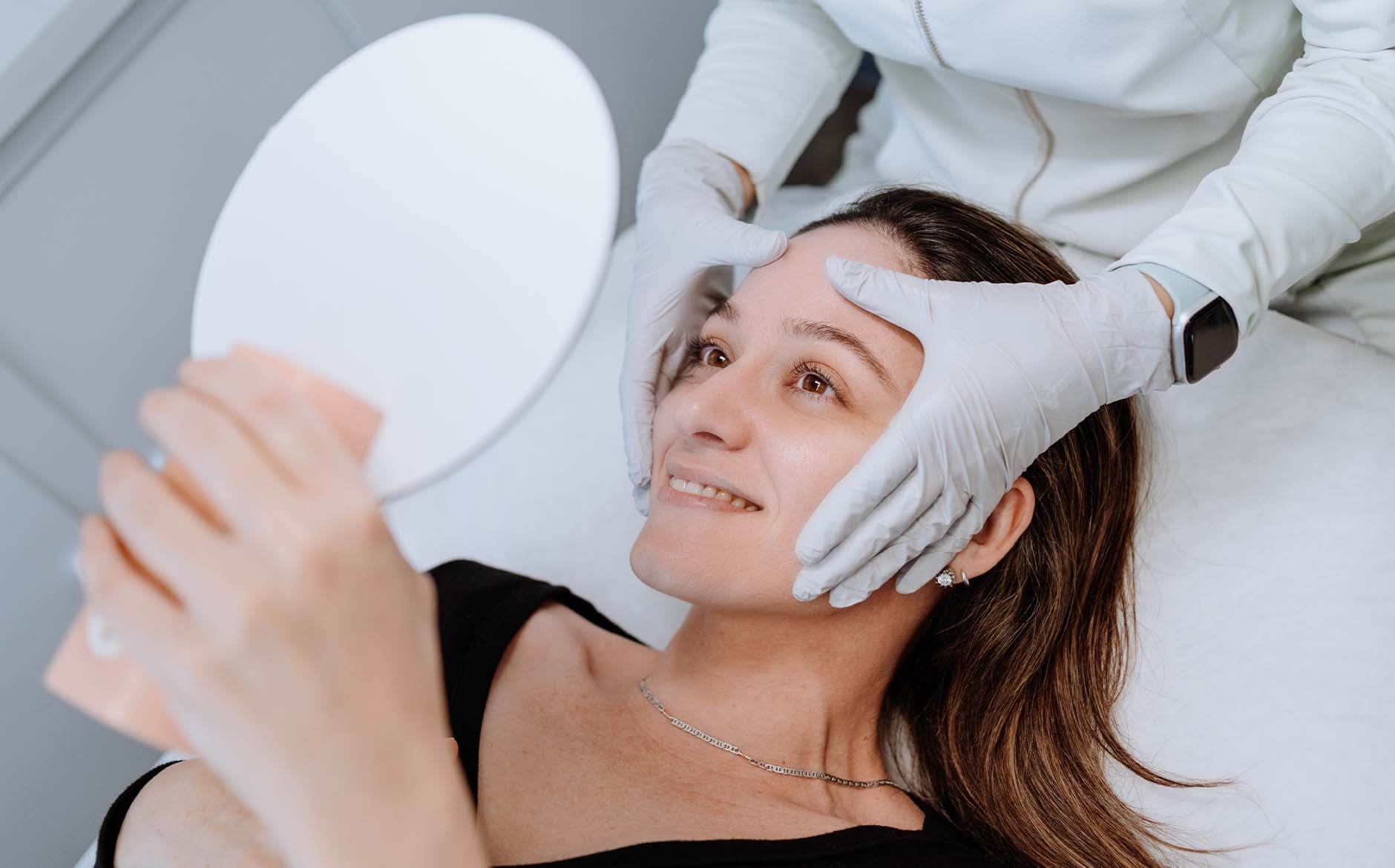
Your dermatologist will take a detailed history — including when the rash appeared, how it has evolved, any preceding illness or new medications, potential allergen exposures, and any associated symptoms such as fever or joint pain. The rash is examined clinically and dermoscopically. Investigations are arranged where needed to reach a diagnosis.