











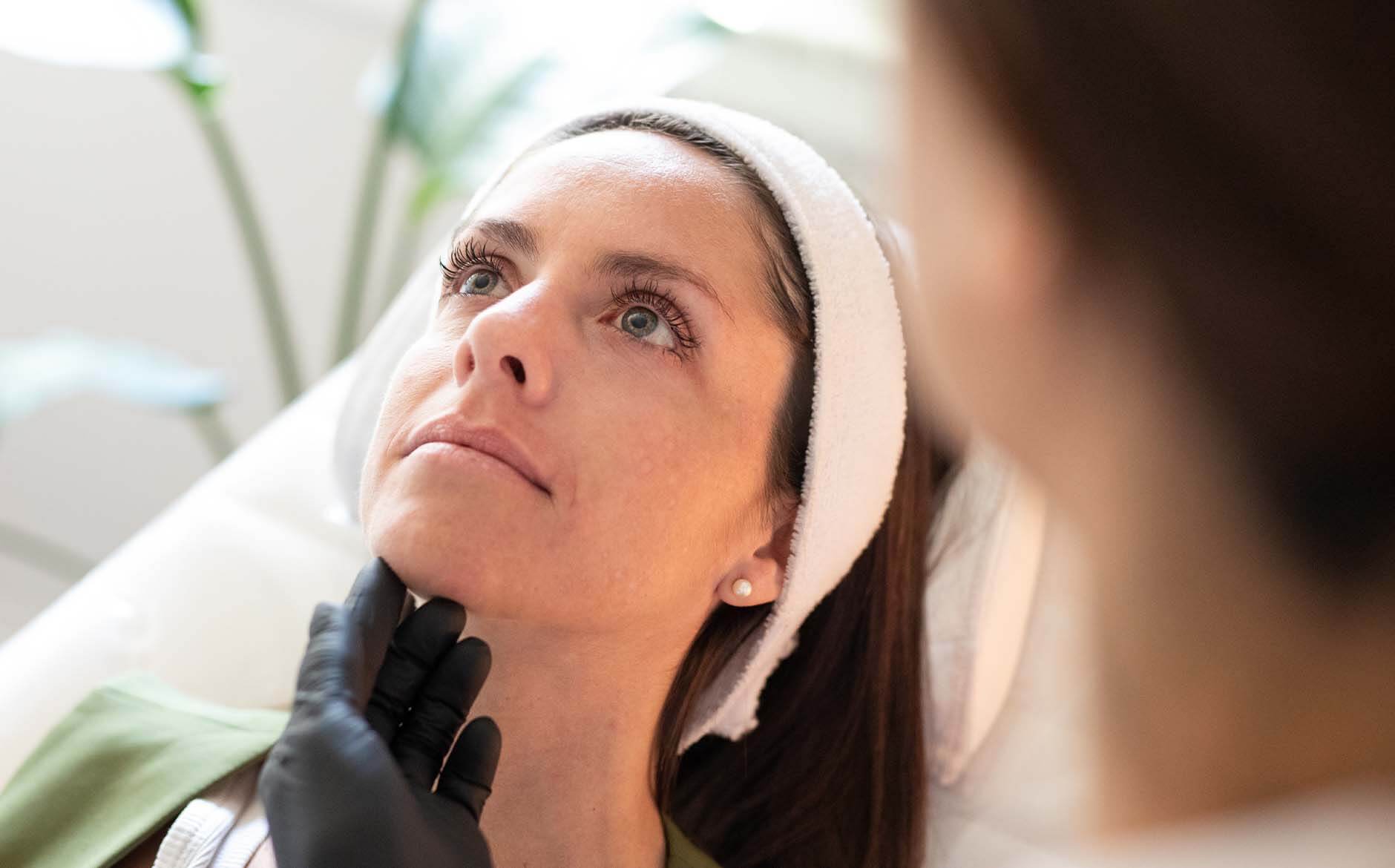

Dermatology at Swift Access Health

Skin Cancer

Skin cancer is the most common form of cancer, developing when abnormal cells in the skin grow uncontrollably. The three principal types are basal cell carcinoma (BCC), squamous cell carcinoma (SCC), and melanoma. While BCCs and SCCs are generally slow-growing and rarely spread, melanoma is more aggressive and requires prompt treatment. At Swift Access Health, our team of consultant dermatologists and plastic surgeons provides expert skin checks, diagnosis, and surgical management.

Early detection is critical. Regular skin examinations, awareness of changes in moles and lesions, and prompt consultation when anything new or changing is noticed can significantly improve outcomes. Our clinicians use dermoscopy and full clinical assessment to evaluate suspicious lesions and agree on the most appropriate treatment plan, from simple excision to complex reconstruction.

Book Consultation

Info

Time

30-minute initial appointment with a consultant dermatologist or plastic surgeon

Results

High cure rates with early detection; complete surgical removal achievable in most cases

Risks

Varies by cancer type; untreated lesions can grow and spread — early treatment is essential

Recovery

7–14 days for initial wound healing; scar maturation over several months

Treatment

Surgical excision, Mohs surgery, topical treatments, radiotherapy, or immunotherapy

Aftercare

Wound care, sun protection, regular skin surveillance, and histology follow-up

Why Choose Swift Access Health

Benefits of Specialist Skin Cancer Care

Expert, multidisciplinary management of skin cancer ensures accurate diagnosis, complete removal, and optimal cosmetic outcomes, with long-term surveillance to protect your skin health.

  • Consultant dermatologist skin checks using dermoscopy for accurate lesion assessment
  • Access to plastic surgeons experienced in skin cancer excision and reconstruction
  • Histological confirmation of clearance for all surgical specimens
  • Coordinated care from diagnosis through to follow-up, with a dedicated patient coordinator
  • Advice on sun protection and lifestyle measures to reduce the risk of further lesions
  • Mole mapping available for ongoing surveillance of higher-risk patients
Book Consultation
Your Patient Journey

1. Your
Consultation

Your dermatologist will take a full history, examine your skin with a dermatoscope, and assess any suspicious lesions. If a biopsy or excision is needed, this will be explained clearly. You will leave with a diagnosis or a clear next step, and referral to a plastic surgeon if surgical treatment is required.


Your Patient Journey

2. Your
Treatment

Surgical excision under local anaesthetic is the most common treatment. The lesion is removed with an appropriate margin of healthy skin, the wound is closed carefully, and the tissue is sent for histological analysis to confirm complete clearance. More complex cases may require reconstruction using flaps or grafts.

Treatment Name

3. Aftercare

You will receive clear wound care instructions and a follow-up appointment to review histology results and check healing. Ongoing advice on sun protection, self-examination, and skin surveillance will be provided. Patients with a history of skin cancer are advised to have regular professional skin checks.

Frequently Asked Questions

  • Use the ABCDE guide: Asymmetry, irregular Border, multiple Colours, Diameter greater than 6mm, and any Evolving or changing lesion. Any new growth, non-healing sore, or mole that is changing in size, shape, or colour should be reviewed by a dermatologist promptly.

  • UV radiation from the sun or tanning beds is the primary cause, but genetics, immune suppression, and certain medical conditions can also play a role. Fair skin, a history of sunburn, and a family history of skin cancer all increase risk.

  • No referral is needed. You can book directly with one of our consultant dermatologists for a skin check. If you have already received a diagnosis from another clinician, we can arrange a surgical consultation directly.

  • Histology results are typically available within 10 working days. Your surgeon will contact you to discuss the findings and advise on any further treatment if required.

  • If the pathology shows cancer cells at the surgical margin, further surgery may be needed to achieve complete removal. Your surgeon will discuss all options with you clearly and without delay.

  • Use broad-spectrum sunscreen with SPF 50 or higher daily, wear protective clothing, avoid tanning beds, and seek shade during peak sun hours. Regular professional skin checks and self-examination are also important, particularly for those with risk factors.

Related Concerns

Concerns

Melanoma

Concerns

Moles